Why You Should Care About DeFi Tokens Today
why DeFi tokens matter, how they work, and what they mean for your money. Learn benefits, risks, and smart ways to evaluate them.

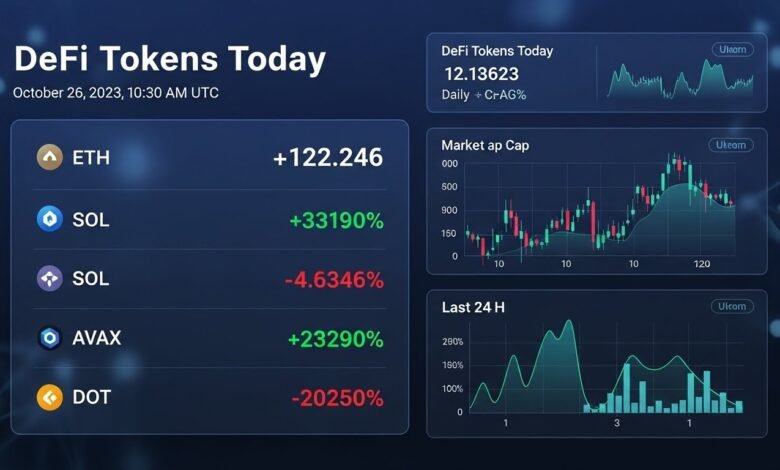
Decentralized finance has gone from a niche crypto experiment to a full-blown financial ecosystem that runs 24/7, across borders, without traditional intermediaries. At the center of this shift are DeFi tokens—digital assets that power decentralized applications, reward users, and enable entire financial systems to function without banks. If you’ve heard people talk about lending, staking, yield farming, or decentralized exchanges, they’re almost always talking about DeFi tokens, whether directly or indirectly.
So why should you care about DeFi tokens? Because they aren’t just “another type of cryptocurrency.” They often represent ownership, utility, governance rights, and sometimes revenue participation in blockchain-based protocols. In traditional finance, you usually need a brokerage account, approvals, minimum balances, and layers of compliance to access similar opportunities. In DeFi, you need a wallet, a small amount of crypto, and enough understanding to avoid mistakes. That accessibility has created both enormous innovation and very real risk.
To make smart decisions, you need clarity: what DeFi tokens are, why they exist, how they derive value, how they’re used, and how to evaluate them without getting swept up by hype. In this guide, you’ll learn the practical reasons DeFi tokens matter, what makes them different from other crypto assets, and how to approach them like a thoughtful investor or curious learner—not a gambler.
Understanding DeFi Tokens: What They Really Are
At the simplest level, DeFi tokens Today are digital tokens connected to decentralized finance protocols. These protocols are blockchain-based applications that let users trade, borrow, lend, earn interest, and manage assets without centralized institutions. But the key is that DeFi Tokens Today often do more than exist as currency—they play active roles inside the protocol’s economy.
Some DeFi tokens serve as governance tools, allowing holders to vote on protocol changes such as fees, upgrades, treasury spending, or risk parameters. Others function as utility tokens, paying for services or unlocking benefits like reduced fees. Many DeFi tokens are also reward tokens distributed to users who provide liquidity, stake assets, or participate in network security. And some protocols use DeFi tokens as collateral assets to unlock borrowing or mint stablecoins.
In other words, DeFi tokens are frequently the “operating system” of decentralized platforms. Without them, many DeFi protocols wouldn’t have a way to incentivize users, coordinate decision-making, or create sustainable economics. This is exactly why people who care about the future of money and the internet should care about DeFi tokens.
How DeFi Tokens Differ From Bitcoin and Traditional Crypto Coins
Bitcoin is often described as digital gold—primarily a store of value and a monetary asset. Many early cryptocurrencies focused on payment use cases. DeFi tokens, however, typically represent participation in a financial product or protocol.
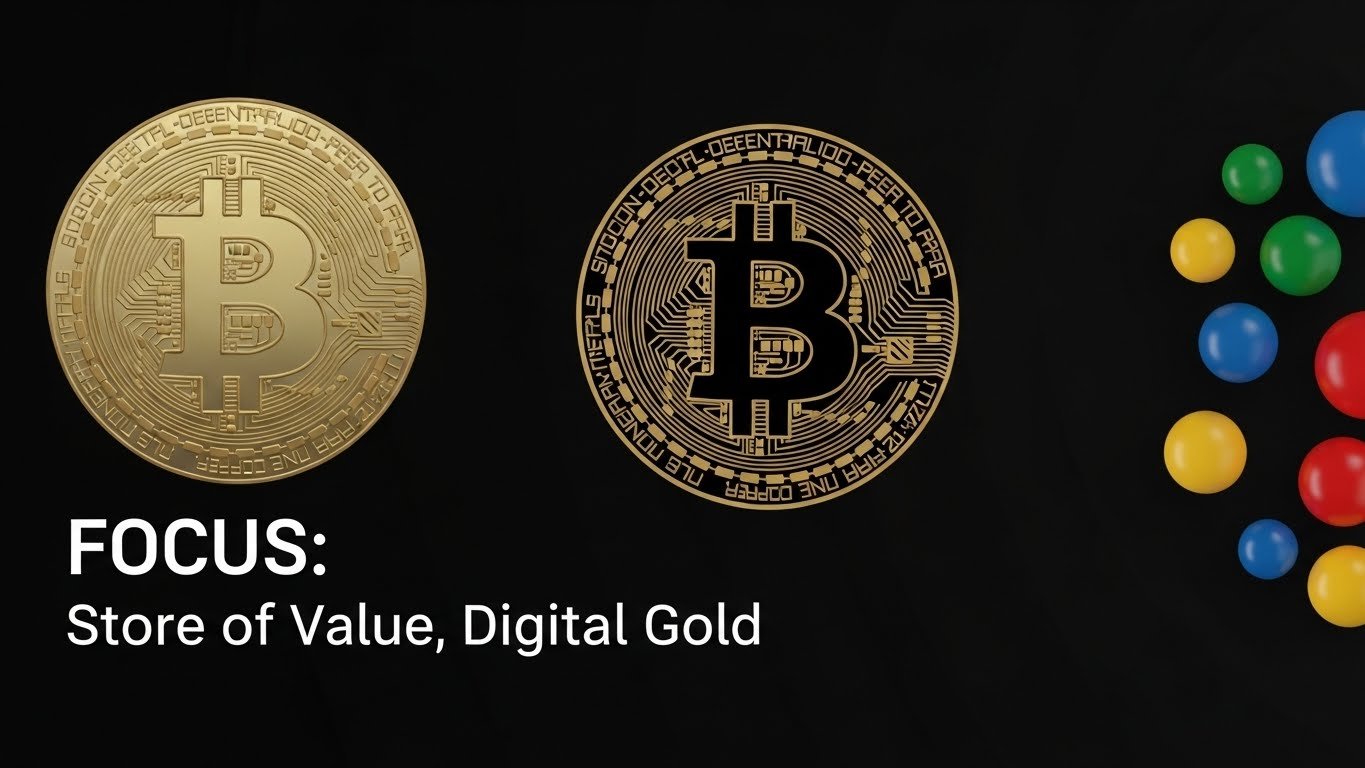
Instead of only being used to “send value,” DeFi tokens are often used to run markets. They can shape borrowing rates, distribute rewards, create liquidity pools, and decide the direction of an ecosystem. That’s why DeFi tokens feel closer to financial infrastructure than simple currency.
The Role of Smart Contracts in DeFi Tokens
Smart contracts are self-executing pieces of code on the blockchain. They are the backbone of DeFi and are responsible for automating lending, trading, staking, and reward distribution. DeFi tokens interact with smart contracts constantly—sometimes as the asset being traded, sometimes as collateral, and sometimes as the reward for participation.
This is a major reason DeFi can move faster than traditional finance. But it’s also why smart contract vulnerabilities can lead to losses. Understanding that DeFi tokens rely on code—not customer support—is essential.
Why DeFi Tokens Matter in the Future of Finance
If you only look at price charts, you might miss the bigger picture. DeFi tokens matter because they represent a new model of financial coordination—one where incentives, ownership, and governance can be shared among users instead of concentrated in institutions.
DeFi protocols are global by default. Anyone with an internet connection can participate. That means DeFi tokens can create financial access where banking is limited, fees are high, or inflation is severe. Even for users in developed economies, DeFi introduces new competition and innovation that can pressure legacy systems to improve.
Another reason DeFi tokens matter is that they’re programmable. Traditional finance relies on contracts and institutions; DeFi relies on code and markets. This allows for rapid experimentation, new asset types, and financial systems that can evolve much faster than regulated banking products.
Ultimately, caring about DeFi tokens is about caring where finance is headed: toward transparency, automation, open participation, and new forms of digital ownership.
Financial Inclusion and Global Accessibility
A user in one country can lend to a borrower across the world through a protocol without ever meeting them. This kind of permissionless access doesn’t exist in traditional finance at scale. DeFi tokens enable these networks to function by rewarding liquidity providers, maintaining stability mechanisms, and aligning incentives.
Transparency and Auditability
Most DeFi activity is recorded on-chain. While privacy is limited, transparency is high. That means anyone can analyze how funds move, how protocols manage treasuries, and how rewards are distributed. DeFi tokens often provide insight into protocol health through metrics like circulating supply, token distribution, and on-chain usage.
The Main Types of DeFi Tokens You’ll Encounter
Not all DeFi tokens are built for the same purpose. Understanding the categories helps you evaluate them more clearly and avoid confusing one token’s value drivers for another’s.
Governance Tokens
Governance DeFi tokens allow holders to vote on protocol decisions. In many cases, the token also represents a stake in the protocol’s future—if governance improves adoption, the token may become more valuable. But governance DeFi Tokens Today are only as meaningful as the governance system itself. If voting power is concentrated, the token may offer minimal real influence.
Utility Tokens
Utility-based DeFi tokens are used for protocol functions such as paying fees, accessing premium features, or enabling certain actions. The value of these DeFi tokens typically correlates with usage: more users, more transactions, more demand for the token.
Liquidity Provider Tokens
When you deposit assets into a liquidity pool on a decentralized exchange, you often receive LP tokens representing your share of the pool. These are a specialized form of DeFi tokens. They can be staked elsewhere to earn more rewards, but they also carry exposure to impermanent loss and market volatility.
Yield and Reward Tokens
Many protocols distribute DeFi tokens as incentives. These reward DeFi tokens can attract users quickly, but they can also be inflationary if emissions are too high. When evaluating reward-focused DeFi tokens, token supply schedules and long-term utility matter more than short-term hype.
Stablecoins and Synthetic Assets (Related DeFi Assets)
While not always called DeFi tokens in casual conversation, stablecoins and synthetic assets are central to DeFi. Stablecoins support trading and lending, while synthetic assets represent tokenized exposure to stocks, commodities, or indices. These assets expand what DeFi tokens can do—turning DeFi into a broader financial layer.
How DeFi Tokens Create Value
A big question people ask is: what gives DeFi tokens value? The answer depends on the token’s design, utility, and demand. Unlike stocks, many DeFi tokens don’t represent legal equity. But they can still have economic value through market dynamics and protocol mechanics.
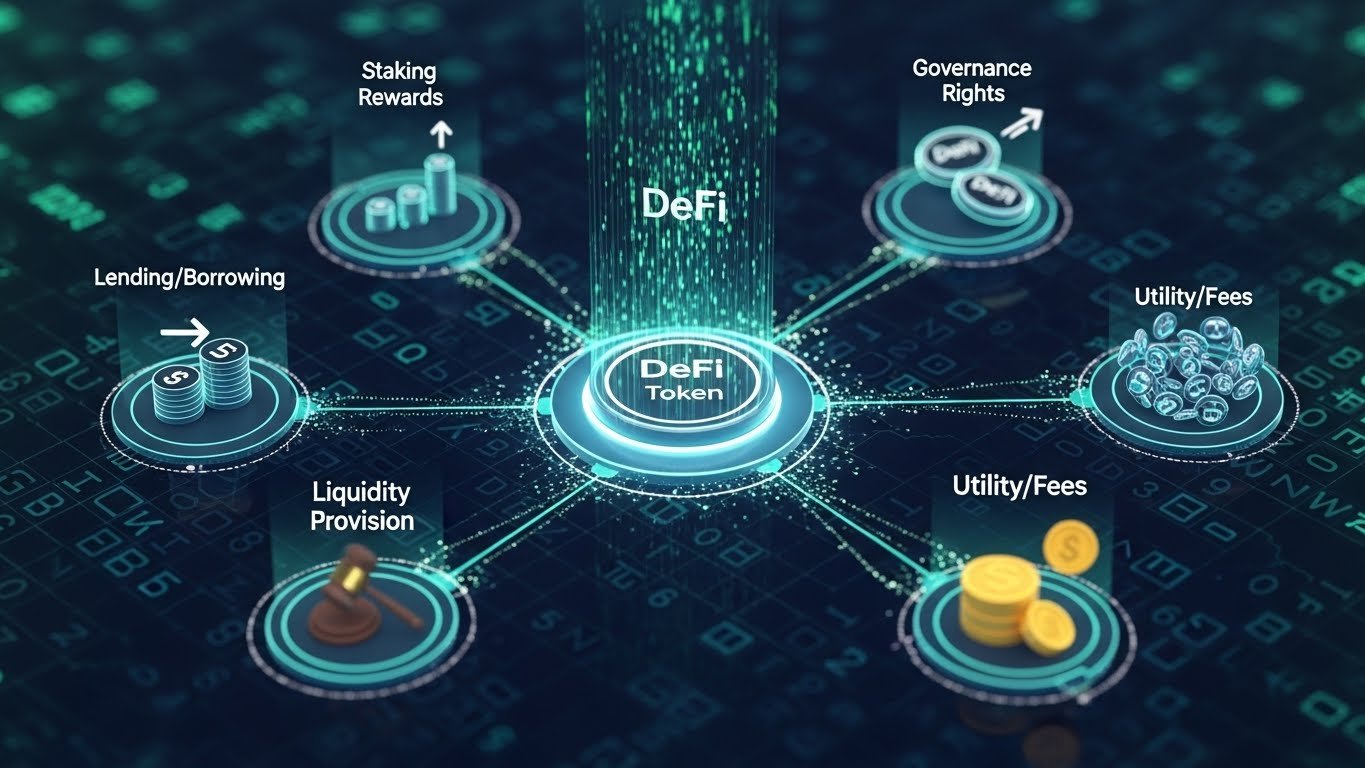
One value driver is utility demand—users need the token to pay fees or access services. Another is governance influence—people want voting rights in major protocols. A third is cash-flow-like mechanisms, where the protocol uses fees to buy back tokens, distribute rewards, or strengthen treasury-backed value. And finally, there is speculative demand, where traders buy DeFi tokens based on future expectations.
The healthiest DeFi tokens typically combine multiple value drivers: real usage, strong governance, sustainable tokenomics, and a growing ecosystem.
Tokenomics: The Engine Behind DeFi Tokens
Tokenomics refers to how the token supply is created, distributed, and managed. For DeFi Tokens Today, tokenomics can make or break long-term value. If a token has unlimited inflation with weak demand, price pressure can become permanent. If a token has capped supply but no reason to hold it, scarcity alone won’t create sustained value.
Important tokenomics elements include emission schedules, vesting periods, circulating supply, and treasury management. Strong DeFi tokens often have transparent distribution and a clear purpose for the token beyond speculation.
Network Effects and Ecosystem Growth
Many successful DeFi tokens benefit from network effects: as more users join, liquidity deepens, trading improves, borrowing becomes more efficient, and the protocol becomes more attractive. This growth can increase demand for the token—especially when the token is tied to protocol incentives or governance.
Benefits of DeFi Tokens for Users and Investors
The reason so many people care about DeFi tokens is that they unlock financial opportunities that traditionally require institutions.
For users, DeFi tokens can provide access to decentralized lending markets, liquidity rewards, staking income, and permissionless trading. For investors, DeFi tokens can offer exposure to fast-growing financial infrastructure—similar to investing in early internet platforms, though with far more volatility.
Another benefit is composability. DeFi protocols can connect like Lego blocks, meaning a single token can be used across many apps. That flexibility can increase utility and demand.
However, these benefits only matter if you approach DeFi tokens responsibly and understand the risks.
Earning Potential Through Staking and Yield
Staking certain DeFi tokens can generate rewards, either by securing a network or supporting a protocol’s liquidity and governance. Yield opportunities also exist through lending and liquidity provision. But it’s crucial to separate sustainable yield from promotional incentives that may collapse when rewards decrease.
Ownership and Participation
With DeFi tokens, users can become active participants in platforms they use, rather than just customers. Governance rights and treasury voting can create a stronger sense of shared ownership—one of the most transformative concepts in decentralized finance.
Risks You Must Understand Before Buying DeFi Tokens
Caring about DeFi tokens also means caring about the risks. DeFi is open and innovative, but that openness comes with complexity and vulnerabilities.
Price volatility is a major risk. A token can rise quickly and fall just as fast. Smart contract exploits are another risk—bugs can lead to drained liquidity pools and irreversible losses. Regulatory uncertainty also affects DeFi Tokens Today, especially when governments introduce new rules for crypto trading, taxation, stablecoins, or protocol governance.
There’s also market risk: even a well-built protocol can lose users if competitors offer better incentives, faster transactions, or stronger security.
Smart Contract Vulnerabilities
Because DeFi runs on code, security audits and reputation matter. Even audited protocols can be exploited, but unaudited protocols are significantly riskier. Anyone holding DeFi tokens should understand that “decentralized” does not automatically mean “safe.”
Impermanent Loss and Liquidity Risks
If you provide liquidity and receive LP DeFi tokens, you may face impermanent loss when prices diverge. Liquidity can also disappear quickly during market stress. That can affect both the token’s price and your ability to exit positions without heavy slippage.
Governance Attacks and Centralization
Some governance DeFi tokens appear decentralized but are effectively controlled by a small number of wallets. This can lead to decisions that benefit insiders at the expense of regular users. Token distribution is a critical metric for evaluating governance integrity.
How to Evaluate DeFi Tokens Like a Pro
If you want to care about DeFi tokens in a smart way, you need a framework. Instead of chasing hype, focus on fundamentals: product-market fit, token utility, security, revenue sustainability, and community governance.
Start by understanding the protocol’s purpose. What problem does it solve? Who uses it? Is there real demand? Then look at the token: why does it exist, and what drives demand for it? Finally, check tokenomics and risks.
A thoughtful evaluation doesn’t guarantee success, but it dramatically reduces the chance of buying DeFi tokens you don’t understand.
Key Metrics That Matter
Look at total value locked (TVL), active users, transaction volumes, and protocol revenue. These metrics can indicate whether a protocol is gaining real traction. For DeFi tokens, adoption often matters more than marketing.
Community, Development, and Governance Health
Strong protocols have active developers, transparent updates, and engaged governance. Dead communities and slow development are warning signs. Since many DeFi tokens depend on long-term ecosystem building, the team and community matter significantly.
The Role of DeFi Tokens in Web3 and the Tokenized Economy
DeFi is not isolated—it’s a key part of Web3, where users own digital assets and participate in online economies. DeFi tokens integrate with NFTs, gaming economies, and decentralized identity systems. That means DeFi could become the financial layer for the next evolution of the internet.
In a tokenized economy, value is more fluid. Assets can be traded globally in seconds, collateralized instantly, and integrated into countless applications. DeFi tokens are foundational to this world because they enable liquidity, credit markets, insurance mechanisms, and decentralized governance.
This is why DeFi tokens are more than “crypto investments.” They’re building blocks of a programmable financial system that can evolve into something as large as modern finance—if adoption continues and risks are managed.
Conclusion
So, why should you care about DeFi tokens? Because they represent a major shift in how financial systems can be built, accessed, and governed. DeFi tokens power decentralized markets that are open, global, and programmable. They can offer new opportunities for earning, trading, and participating in financial ecosystems—without traditional gatekeepers.
But caring about DeFi tokens also means respecting the risks: volatility, smart contract vulnerabilities, liquidity dangers, governance centralization, and regulatory uncertainty. If you approach DeFi tokens with curiosity and caution, they can become a powerful lens through which to understand the future of money.
The best takeaway is simple: DeFi tokens matter because they’re not just assets—they’re infrastructure. Learning how they work today can help you navigate tomorrow’s financial world with more confidence and less confusion.
FAQs
Q: Are DeFi tokens the same as cryptocurrencies?
DeFi tokens are a type of cryptocurrency, but they’re usually tied to decentralized finance protocols and often provide utility, governance rights, or rewards. While all DeFi tokens are crypto assets, not all cryptocurrencies are DeFi tokens.
Q: Can DeFi tokens generate passive income?
Some DeFi tokens can generate income through staking, lending, liquidity provision, or protocol incentives. However, “passive income” isn’t guaranteed, and returns can change rapidly depending on market conditions and token emissions.
Q: What are the biggest risks of DeFi tokens?
The biggest risks include price volatility, smart contract exploits, impermanent loss, governance manipulation, and regulatory changes. Understanding these risks is essential before buying or using DeFi tokens.
Q: How do I know if a DeFi token is valuable long-term?
Long-term value often depends on real protocol usage, strong token utility, sustainable tokenomics, security practices, and an active ecosystem. DeFi tokens with multiple value drivers and growing adoption tend to be stronger than hype-driven tokens.
Q: Do I need a lot of money to get started with DeFi tokens?
No. Many people start with small amounts. However, network fees and transaction costs can still affect smaller balances depending on the blockchain used. It’s smart to begin cautiously, learn the basics, and avoid risky strategies until you fully understand how DeFi tokens work.
See More: Best DeFi Wallet 2025 Top Secure Web3 Wallets for Swaps