
Bitcoin Analysis Modest Bounce, Sellers Still Rule
Bitcoin analysis of a modest bounce as sellers stay in control. Key levels, indicators, on-chain context, and scenarios for traders and investors.

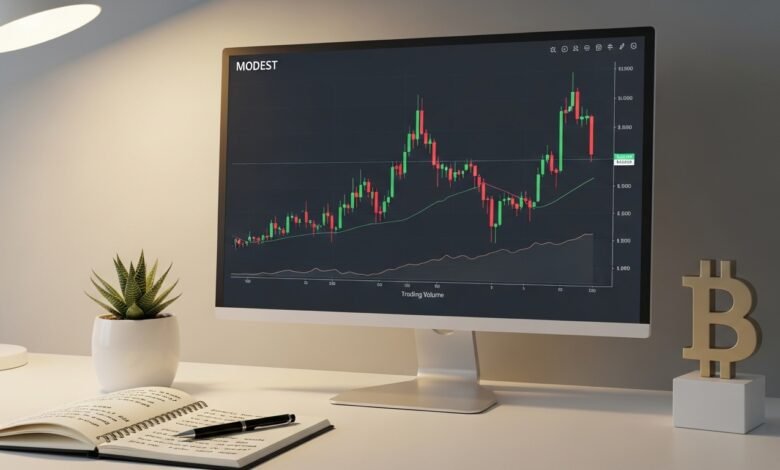
A modest bounce can feel like relief after weeks of pressure, especially in a market as emotional and fast-moving as Bitcoin. Yet experienced traders know that a green day doesn’t automatically mean the downtrend is over. Often, the first rebound is simply the market catching its breath—a temporary reset in positioning—before the dominant force returns. In this case, the dominant force still looks like supply. This Bitcoin analysis focuses on why a bounce can happen even when sellers are still in control, how to read the underlying structure, and what signals would actually confirm that the tide is turning.
When Bitcoin sells off, it rarely moves in a straight line. It drops, pauses, pops upward, then drops again. That rhythm is the market’s way of testing conviction on both sides. Buyers step in at perceived value zones, shorts take profits, and bargain hunters attempt to call a bottom. The bounce itself can be real—sometimes even sharp—but if it lacks follow-through, it becomes a warning rather than a rescue. A clean reversal needs more than hope. It needs shifting market structure, improving demand signals, and evidence that supply is being absorbed instead of simply reloaded.
In this Bitcoin analysis, we’ll unpack the difference between a bounce and a reversal, explore why rallies often fail in bearish phases, and map out practical scenarios based on technical analysis, support and resistance, market sentiment, and on-chain data. The goal is not to predict a single outcome, but to understand the conditions that would validate each path—and to stay objective while the market tries to decide what it wants to be next.
Why a Modest Bounce Doesn’t Equal a Trend Reversal
A modest bounce is common in downtrends because falling markets create their own fuel for short-term rallies. In this Bitcoin analysis, the key idea is that price can rise for reasons that have nothing to do with true demand returning. Short covering is a major driver: when traders who bet on downside lock in profits, they must buy back Bitcoin, temporarily pushing the Bitcoin price higher. That buying can look like strength on a chart, but it may disappear as soon as short covering slows.
Another reason is mean reversion. After a sharp sell-off, indicators like RSI can become stretched, prompting algorithmic and discretionary traders to buy a “snapback” rally. These bounces can be fast and convincing, but they often fade if the broader structure remains bearish. In many cases, the rally simply retraces part of the prior drop—an ordinary pullback within a larger decline.

A real reversal requires evidence that sellers are losing control, not just pausing. In practical Bitcoin analysis, that means watching whether price can reclaim key levels, hold them during retests, and then build higher highs and higher lows. Without that, a bounce can become a classic bull trap, luring late buyers into a market that is still distributing.
Market Structure: Sellers Still Control the “Path of Least Resistance”
Market structure is the backbone of any strong Bitcoin analysis because it explains who has leverage right now. In a seller-controlled phase, the market tends to print lower highs and lower lows. Each rally attempt fails earlier than the one before it, showing that supply is stepping in quickly. Even if Bitcoin bounces, structure matters more than candles. A single upswing can’t fix a pattern of repeated breakdowns.
The “path of least resistance” concept is useful here. When sellers control structure, the easiest direction for price to travel is down, because any rally becomes an opportunity for trapped holders to exit and for bears to re-enter. This is why you’ll often see heavy selling near prior support zones after they break. Old floors can become new ceilings, reinforcing bearish control.
A disciplined Bitcoin analysis watches for a transition phase where price stops making lower lows and begins carving a base. That usually involves choppy consolidation, failed breakdowns that quickly recover, and an eventual break above a key swing high. Until those signals appear, sellers remain the side with the clearer advantage.
Lower Highs and Failed Breakouts: The Signature of Distribution
Failed breakouts are particularly important in this Bitcoin analysis because they reveal hidden supply. When price attempts to push above a prior pivot, but quickly gets rejected, it suggests that sellers are waiting at that level with size. These moments often produce long upper wicks, sharp reversals, or grinding pullbacks that erase gains over several sessions.
Distribution phases can look deceptively stable. Price may bounce repeatedly, giving the impression that demand is building. But if each bounce ends at a lower high, it’s often a sign that larger players are selling into strength rather than buying for a sustained move. This is why the quality of a bounce matters. A rally that can’t reclaim meaningful structure is often just another selling opportunity.
Key Technical Signals to Watch During a Bearish Bounce
Technical tools don’t “predict” the future, but they can help measure whether the bounce is healthy or fragile. This Bitcoin analysis emphasizes confluence—multiple indicators aligning—rather than relying on any single signal.
One of the most practical frameworks is support and resistance. If Bitcoin is bouncing while still below a major resistance zone, the rally is vulnerable. The market needs to reclaim broken support levels and prove they can hold as support again. Otherwise, price may simply be “retesting” the breakdown area before the next leg down.
Volume is also critical. A bounce on weak volume often signals low conviction. In contrast, a bounce that expands volume and shows aggressive spot buying can hint that real demand is stepping in. But even then, follow-through matters. Without additional buying days and successful retests, the market can still roll over.
Moving Averages: Dynamic Resistance in a Downtrend
In a bearish environment, moving averages often act like a downward-sloping ceiling. Many traders watch common references like the 20-day, 50-day, and 200-day averages because they reflect the market’s rhythm across timeframes. In this Bitcoin analysis, the key is not the exact line, but the behavior around it.
If Bitcoin bounces into a falling moving average and gets rejected, that’s consistent with sellers defending. If price breaks above a moving average but cannot hold it, that’s another sign of fragile demand. A stronger reversal attempt usually involves reclaiming important averages and then using them as support during pullbacks. Until that happens, moving averages often reinforce the idea that sellers remain in control.
RSI and Momentum: Oversold Can Stay Oversold
Traders often treat RSI as a “buy when oversold” signal, but in bear phases, oversold can persist or repeatedly reappear. This is a major trap in casual Bitcoin analysis. Momentum indicators are best used as context, not as standalone triggers.
If RSI rises during the bounce but quickly rolls over near the midline, that can signal bearish momentum remains dominant. A more constructive sign would be RSI building higher lows even if price is still choppy, suggesting downside pressure is weakening. Still, momentum must align with price structure. Momentum improvement without structural improvement can simply lead to another failed rally.
MACD and Trend Confirmation: Lagging, but Useful
MACD is a lagging indicator, but it can help confirm whether a bounce is becoming something bigger. In this Bitcoin analysis, MACD is most useful when paired with structure and volume. If MACD turns up while price reclaims key levels and volume expands, it supports the reversal narrative. If MACD improves but price remains capped under resistance, it can simply reflect a temporary relief rally.
The Psychology Behind the Bounce: Hope, Regret, and Supply
Bitcoin is not just a chart; it’s a crowd. Every bounce triggers emotions. Some traders feel hope that the bottom is in. Others feel regret for not buying lower. And many feel anxiety if they’re holding losses. This emotional mix shapes supply and demand, which is why psychology belongs in any serious Bitcoin analysis.
In seller-controlled markets, bounces often attract two types of sellers. First are “relief sellers,” investors who held through the drop and are eager to exit when price recovers slightly. Second are tactical bears who re-enter shorts at resistance, seeing the bounce as a better entry. If those groups overwhelm buyers, the bounce fades and confirms bearish control.
On the other side, buyers need confidence to absorb supply. That confidence typically comes from evidence: reclaimed levels, improved liquidity, stronger market breadth, and calmer macro conditions. Without these, buyers may hesitate, turning the bounce into a low-volume drift rather than a powerful reversal.
On-Chain Context: What Network Signals Can (and Can’t) Tell You
On-chain metrics add depth to Bitcoin analysis because they reveal behavior beyond the candlestick. However, on-chain data is often slow-moving and can be noisy in the short term. The most valuable approach is to use it as a backdrop to price action, not a replacement for it.
If long-term holders are accumulating while short-term holders capitulate, that can support a bottoming process. If exchange inflows rise during a bounce, it can suggest potential sell pressure as coins move toward liquidity. Meanwhile, stablecoin flows and realized profits/losses can hint at whether market participants are eager to risk-on or still defensive.
Still, on-chain signals rarely provide clean timing. They work best when they confirm what price is already showing. In this Bitcoin analysis, the central message is simple: on-chain can strengthen a thesis, but structure must lead.
Exchange Flows and Sell Pressure: Watching the “Intent” to Sell
Coins moving onto exchanges can indicate intent to sell, though it’s not always immediate. During a modest bounce, rising inflows may suggest traders are preparing to distribute into strength. In this Bitcoin analysis, that dynamic supports the idea that sellers remain in control unless demand clearly absorbs the flow.
Conversely, declining exchange balances over long periods can reflect accumulation, but it won’t prevent short-term drawdowns. It simply tells you that underlying ownership may be shifting toward stronger hands—an ingredient for eventual recovery, not a guarantee of one today.
Macro and Liquidity: The Invisible Hand Behind Bitcoin’s Swings
Bitcoin trades as a global risk asset in many environments, meaning liquidity conditions matter. In practical Bitcoin analysis, strong rallies tend to align with improving liquidity, easing financial stress, and rising risk appetite. When liquidity is tight, bounces can be short-lived because capital is cautious and rallies get sold to raise cash or rebalance exposure.

Dollar strength, interest-rate expectations, and broader market volatility can all influence Bitcoin’s ability to sustain a bounce. Even if Bitcoin’s internal narrative is bullish long-term, short-term price often responds to macro pressure. That’s why a modest bounce doesn’t automatically imply a new bull market; it may simply reflect a temporary easing of fear.
Scenarios: What Would Shift Control From Sellers to Buyers?
A good Bitcoin analysis doesn’t lock into one story. It outlines scenarios and the evidence required for each. Right now, the bounce looks modest, which means both outcomes remain possible: continuation lower, or a base-building phase that eventually breaks upward.
The bearish continuation scenario stays in play if Bitcoin fails to reclaim resistance and prints another lower high, followed by a breakdown below recent support. In that case, sellers remain in control, and the bounce becomes a pause before the next leg down.
The constructive recovery scenario requires stronger proof. Bitcoin would need to reclaim a major resistance zone, hold it on a retest, and then push above a prior swing high. Volume should expand, and momentum should improve without immediate rejection. This is the kind of sequence that changes structure and forces sellers to step back.
The “Bull Trap” Risk: Why Chasing Green Candles Can Hurt
The most dangerous moment in a seller-led market is when the bounce looks convincing enough to trigger fear of missing out. This Bitcoin analysis highlights the bull trap because it’s one of Bitcoin’s most common patterns during downtrends. Price pops, sentiment flips, leverage builds, and then the market reverses sharply as sellers unload into the rush.
Avoiding this doesn’t require perfection; it requires discipline. Waiting for confirmation—like reclaimed structure and successful retests—often keeps traders from buying the top of a bounce. In a market where sellers remain in control, patience is not passive; it’s protective.
Risk Management: How to Navigate a Seller-Controlled Market
Even the best Bitcoin analysis is useless without risk management. When sellers dominate, volatility can punish oversized positions and emotional decisions. The most effective approach is to treat the market as uncertain until it proves otherwise.
That means respecting invalidation points. If you’re trading the bounce, you need a clear level that tells you the idea is wrong. If you’re investing long-term, you may focus on staged entries and time horizons rather than trying to nail the exact bottom. Either way, the goal is to survive the noise so you can participate when conditions actually improve.
In seller-controlled phases, flexibility matters. If the market reclaims key structure, you can shift more bullish. If it fails and breaks down again, you can reduce exposure. This is how professionals keep emotions from driving decisions: they let price action confirm the story.
Conclusion
This Bitcoin analysis frames the current situation as a modest bounce within a landscape where sellers still appear to control structure. Bounces happen for many reasons—short covering, mean reversion, and oversold momentum—but a true reversal requires proof: reclaimed support and resistance levels, stronger volume, improved market structure, and follow-through that turns resistance into support. Until those conditions appear, the bounce remains vulnerable to rejection, and the risk of a bull trap stays elevated.
The most productive mindset is scenario-based. If Bitcoin confirms strength with higher highs and held retests, the market can transition from defense to recovery. If it fails below resistance and breaks support again, sellers remain firmly in control. In both cases, disciplined risk management—and a patient approach to confirmation—matters more than any single prediction.
FAQs
Q: What does “sellers remain in control” mean in Bitcoin analysis?
In Bitcoin analysis, it means the market structure still favors downside, typically shown by lower highs, failed breakouts, and resistance zones that repeatedly reject price. Even if Bitcoin bounces, sellers are considered in control until buyers reclaim key levels and hold them.
Q: Can a modest bounce still lead to a full reversal?
Yes, a modest bounce can become the first step in a reversal, but this Bitcoin analysis emphasizes confirmation. A real reversal usually needs reclaimed resistance, higher highs, higher lows, and supportive volume and momentum rather than a single upward move.
Q: Which indicators are most helpful during a bearish bounce?
Many traders focus on moving averages, RSI, MACD, and volume, along with clear support and resistance zones. In this Bitcoin analysis, the strongest signals come from confluence—multiple indicators aligning with improved price structure.
Q: What is a bull trap in the crypto market?
A bull trap is a rally that looks like the start of a new uptrend but quickly reverses lower, trapping buyers who entered late. In seller-controlled conditions, bull traps are common because rallies can attract both hopeful buyers and strategic sellers.
Q: How should long-term investors use Bitcoin analysis in volatile periods?
Long-term investors can use Bitcoin analysis to avoid emotional decisions by focusing on structure, major levels, and broader context like on-chain data and liquidity conditions. Instead of trying to time a perfect bottom, many prefer staged entries and risk controls aligned with their horizon.
See More: Cryptocurrencies Price Prediction Asia Wrap Jan 30