
What Is SUI Crypto? Sui Ecosystem Guide 2026
what SUI crypto is in 2026, how Sui works, Move smart contracts, staking, tokenomics, zkLogin, and the growing Sui ecosystem.

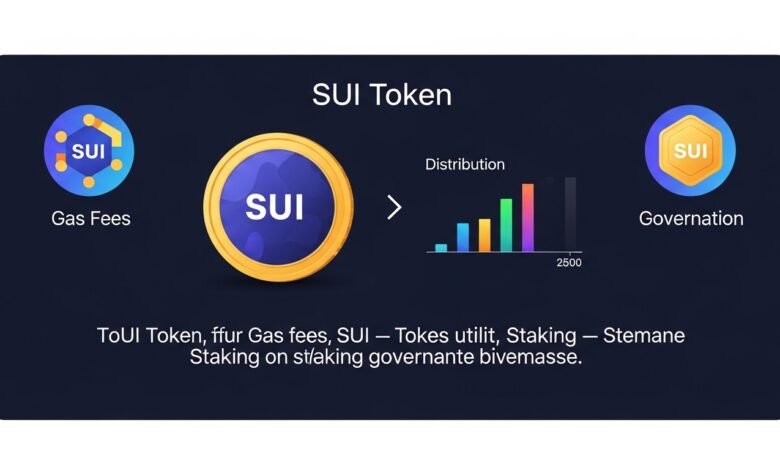
Crypto in 2026 is no longer about flashy promises. People now care about speed, simple onboarding, real-world usability, and apps that feel as smooth as Web2. That shift is exactly why SUI crypto has become a major topic. Instead of trying to be “everything for everyone,” Sui focuses on a clear goal: making blockchain applications fast, scalable, and easy to use without losing decentralization.
When people ask, “What is SUI crypto?” they often mean two things. First, they mean the Sui blockchain, a modern Layer-1 network designed for high performance. Second, they mean the SUI token, the native coin that powers transactions and helps secure the network through staking. In reality, SUI crypto is best understood as a full platform: technology, token economics, developer tools, and a growing ecosystem of applications.
This comprehensive guide explains SUI crypto in plain language while still giving you the depth you need. You’ll learn how Sui works, why it is different from many other blockchains, what role the Move language plays, how staking and tokenomics work, and what the Sui ecosystem looks like in 2026. By the end, you should have a clear mental model of SUI crypto and where it fits in the bigger crypto landscape.
What Is SUI Crypto?
SUI crypto refers to the Sui blockchain and its native token, SUI. The Sui blockchain is a Layer-1 network designed to handle many transactions quickly and efficiently. The SUI token is used to pay network fees, participate in staking, and help secure the network’s validator system. Because of this, SUI crypto isn’t just a speculative asset. It plays a functional role inside the network.
In 2026, SUI crypto is often described as a platform made for real applications. That includes consumer apps, finance tools, digital collectibles, and games. The reason this matters is simple: if a blockchain can’t offer speed and usability, users leave. Sui is built to reduce friction, increase throughput, and keep user experiences smooth even during heavy usage.
The Core Idea Behind Sui: Built for Speed Without Breaking Safety
Many blockchains struggle with a basic trade-off. If you increase decentralization, performance can suffer. If you increase performance, decentralization sometimes becomes weaker. Sui tries a different approach by redesigning how blockchain state is represented and how transactions are executed. This is where SUI crypto becomes especially interesting for both investors and builders.
Sui’s design helps the network process many transactions at the same time when those transactions do not conflict with each other. This focus on parallel execution, combined with strong developer safety standards, is one reason the SUI ecosystem has continued to expand into 2026.
The Object-Based Model: A Different Way to Store and Move Value
One of the most important concepts in SUI crypto is that Sui is built around an object-based model. In simple terms, many assets and pieces of on-chain state are treated like distinct “objects” rather than entries in a single global account ledger. This changes how the network can validate and process activity.
This object approach makes it easier for the network to confirm many transactions in parallel, especially when users are interacting with their own assets. It also gives developers a clear way to represent ownership and permissions, which is critical for everything from NFTs to gaming items to financial positions.
Parallel Transaction Execution: Why SUI Crypto Feels Fast
Sui is designed to process non-conflicting transactions simultaneously. That means if two users are doing separate actions that don’t touch the same shared state, the chain does not need to force them into a slow, single-file line. In practical terms, this can reduce congestion and make everyday interactions feel fast.
In 2026, this matters because blockchain usage has changed. People don’t just send occasional tokens. They trade frequently, mint digital assets, interact with games, and use apps that require multiple transactions in short time periods. SUI crypto is structured to support that behavior instead of collapsing under it.
Move Language on Sui: Smart Contracts with Stronger Safety
Smart contracts are the backbone of modern crypto ecosystems, but they are also the source of many major security failures. SUI crypto addresses this risk by using Move, a programming language designed with asset safety in mind. Move is commonly associated with preventing mistakes that lead to duplicated assets or unexpected behavior in contract logic.
What makes Move feel different is that it encourages developers to treat assets as controlled resources. This approach aligns naturally with Sui’s object model, and in 2026 it remains one of the clearest reasons developers choose to build inside the SUI ecosystem. The result is a stronger foundation for smart contracts, safer asset handling, and better long-term confidence in applications.
Why Move Matters for DeFi, NFTs, and Gaming
DeFi needs secure logic because it handles value directly. NFTs need clear ownership rules to avoid manipulation. Gaming needs reliable item state because players expect fairness and consistency. Move supports these goals by making it easier to write contracts that respect asset ownership and correct behavior. This is why SUI crypto is often linked with phrases like secure smart contract platform, scalable Layer-1, and developer-friendly blockchain. The language and architecture work together to reduce common failure points.
SUI Token Utility: What the SUI Coin Actually Does
Many people talk about price first, but usefulness is what keeps a network alive. The SUI token has several practical roles that support the whole system. SUI crypto is used to pay transaction fees, which means every action on the network depends on the token. SUI is also used in staking, where users can delegate tokens to validators to help secure the network and potentially earn rewards. In addition, Sui’s broader economic design includes mechanisms related to storage and long-term sustainability, which shapes how costs and incentives work as the network grows.
Staking SUI Crypto: How It Helps Secure the Network
Staking is one of the most common ways users participate in a proof-of-stake network. In SUI crypto, validators run infrastructure that confirms transactions, and the network’s security depends on honest participation. When users stake SUI, they help strengthen decentralization and security by supporting validators.
In 2026, staking also matters because it influences how communities form around networks. Strong validator diversity, healthy participation, and consistent uptime all contribute to network credibility. For long-term holders of SUI crypto, staking is often seen as both a participation method and a potential yield strategy, though rewards can change with network conditions.
Fees and Network Costs: The Practical Side of Using SUI Crypto
Every blockchain has fees, but what users care about is predictability. Sui’s design aims to keep fees reasonable and user experiences smooth. When fees are stable, apps become easier to use. When fees are chaotic, users disappear. For anyone exploring SUI crypto in 2026, understanding this is important. Fees aren’t just “a cost.” They shape the types of applications that can succeed. Lower friction supports mass adoption, and mass adoption is what transforms a chain from a niche product into a real ecosystem.
zkLogin and User Experience: SUI Crypto’s Onboarding Advantage
One of the hardest problems in crypto has always been onboarding. Seed phrases, complicated wallet setups, and confusing security warnings have scared away millions of potential users. SUI crypto has made onboarding a major priority through tools like zkLogin.
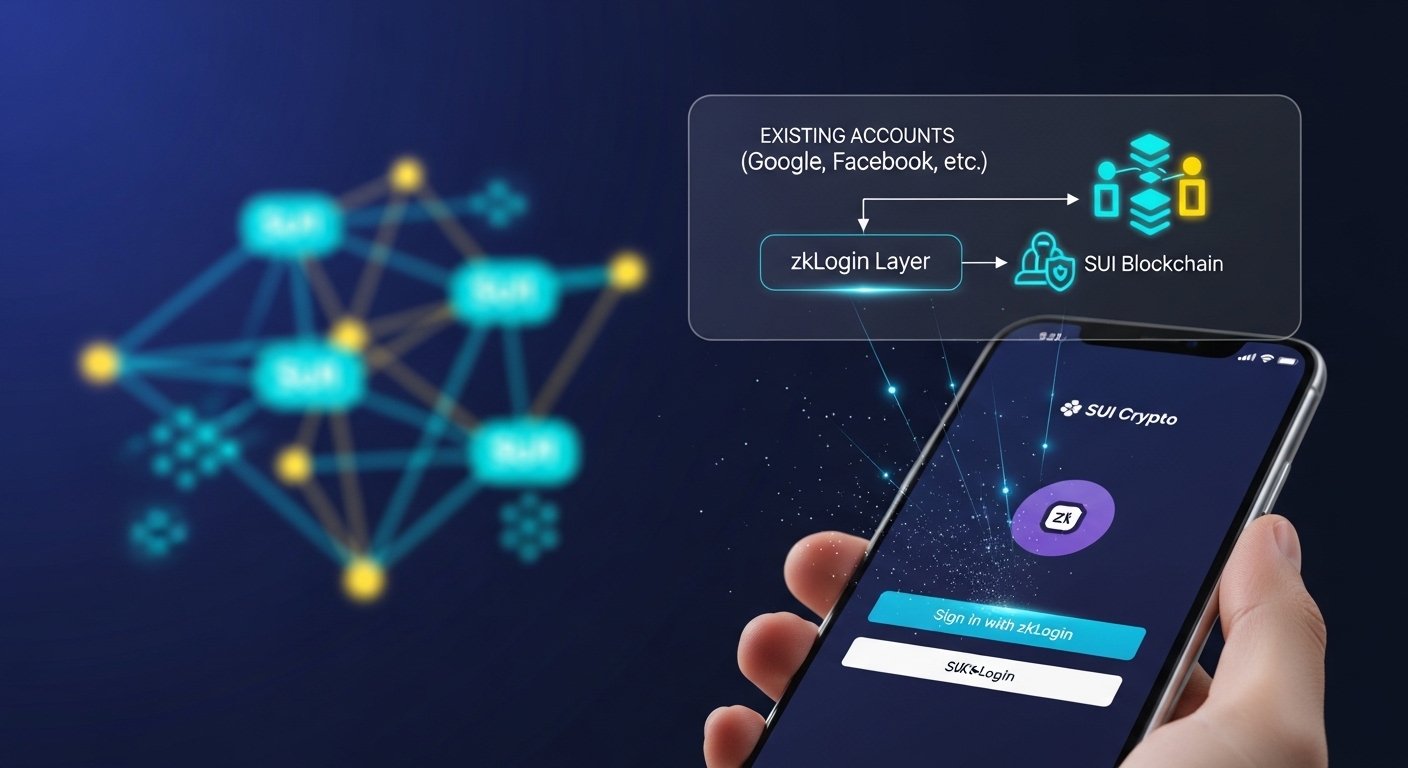
zkLogin allows users to access blockchain accounts in a more familiar way while still maintaining a strong privacy-friendly structure. In 2026, that’s a huge deal because crypto has realized an uncomfortable truth: mainstream users do not want to manage complicated key systems on day one. They want a smoother path.
Why Onboarding Matters for the Sui Ecosystem
A blockchain can be fast and secure, but if it’s hard to use, growth stalls. Better onboarding increases user retention and supports higher-quality applications. When more people can join easily, developers have more reasons to build, and the ecosystem grows faster. This is why SUI crypto is often discussed as a chain that prioritizes real consumer design. It isn’t just about technology for technology’s sake. It’s about making the experience simple enough that normal people can use it.
Sui Ecosystem in 2026: What People Are Building With SUI Crypto
The Sui ecosystem in 2026 has expanded across key categories: DeFi, NFTs, gaming, and infrastructure. These areas matter because they reflect how users actually spend time and value on-chain. The strongest ecosystems typically have two qualities. They have enough core infrastructure to support new projects, and they have enough real apps to attract users. The SUI ecosystem has increasingly shown both.
DeFi on Sui: Trading, Lending, and On-Chain Finance
DeFi is one of the most competitive areas in crypto, and it tends to concentrate where users get good execution and low friction. On Sui, DeFi aims to deliver smooth swaps, faster confirmations, and a better overall experience, especially when network activity is high. In 2026, DeFi is not just about yield. It’s about usability. People want to move value quickly, manage positions safely, and avoid long waiting times. SUI crypto’s performance design can support these expectations, which is why DeFi continues to be a major driver of attention.
NFTs and Digital Ownership: A Natural Fit for SUI Crypto
NFTs have matured beyond simple profile pictures. In 2026, digital ownership is about tickets, memberships, collectibles with utility, and in-game items. Sui’s object-based approach fits this world well because ownership and transfer rules are central to how the chain works. That is why SUI crypto is closely associated with digital assets, NFT marketplaces, and on-chain ownership. When ownership is easy to represent and transfer, the user experience improves, and NFT-based apps become more practical.
Gaming on Sui: High-Speed Interactions and Real Asset Ownership
Gaming is one of the hardest environments for blockchains because games require frequent actions. Players expect speed. They also want their items to feel real, tradable, and secure. Sui’s architecture supports a world where many player actions can be processed quickly, while items remain on-chain and verifiable. In 2026, blockchain gaming is less about hype and more about retention. The chains that win are the ones that feel smooth. SUI crypto is competing strongly in that direction because of its performance-first design.
Is SUI Crypto a Good Investment in 2026? Key Factors to Consider
No crypto asset is risk-free. SUI crypto has strong technology and a growing ecosystem, but investors should still think clearly. Market cycles, regulatory shifts, security risks, and ecosystem concentration can all impact outcomes.
A smarter way to evaluate SUI crypto in 2026 is to focus on adoption signals rather than pure price movement. Look at how active the ecosystem is, whether developers keep building, how strong the user growth appears, and whether the network continues improving its tools and infrastructure. Long-term value typically follows real usage, not short-term hype.
Future Outlook: Where SUI Crypto Could Be Headed Next
SUI crypto’s future depends on whether the ecosystem can keep attracting users and builders. In 2026, momentum comes from practical things: smooth onboarding, reliable performance, and applications that solve real problems. If Sui continues strengthening these areas, it can maintain relevance even as competition grows.
What makes the Sui story compelling is that its design choices are directly aligned with mainstream expectations. People want speed. They want simplicity. They want apps that feel normal. SUI crypto has built its identity around delivering those outcomes, which is why it remains one of the most discussed Layer-1 platforms in 2026.
Conclusion
SUI crypto in 2026 represents more than a token. It represents a modern blockchain approach designed for real users and real applications. With an object-based model, parallel transaction execution, and the Move programming language, Sui is structured to deliver speed without sacrificing safety. The SUI token powers fees and staking, while new onboarding systems like zkLogin help reduce friction for everyday users. If you’re exploring the Sui ecosystem in 2026, the key takeaway is simple: SUI crypto is trying to make blockchain feel practical. That focus on performance and usability is what gives it the potential to stay relevant in a crowded market.
FAQs
Q: What is SUI crypto in simple words?
SUI crypto is the Sui blockchain and its native token, SUI. The blockchain runs apps and transactions, and the token pays fees and supports staking.
Q: What makes SUI crypto different from other Layer-1 coins?
SUI crypto stands out because Sui uses an object-based model and parallel execution, helping it process many transactions quickly while keeping a strong structure for ownership and smart contracts.
Q: Is SUI crypto good for beginners in 2026?
SUI crypto can be beginner-friendly because onboarding has improved, and options like zkLogin aim to make account access feel more familiar compared to traditional seed-phrase-only setups.
Q: Can I stake SUI crypto and earn rewards?
Yes, SUI crypto can be staked by delegating SUI tokens to validators. Rewards depend on network conditions and validator performance.
Q: What is the Sui ecosystem in 2026?
The Sui ecosystem in 2026 includes DeFi apps, NFT platforms, gaming projects, wallets, tools, and infrastructure that support building and using applications on the Sui blockchain.
Also More: Crypto ETFs Turn Volatile in Feb as Bitcoin Lags, XRP Shines