Altcoin Under $0.05 Undervalued Crypto for 2026
Altcoin under $0.05 can be the most undervalued crypto of 2026, with key metrics, risks, and smart research tips.


Altcoin under $0.05 has become one of the loudest themes in the 2026 crypto conversation. It’s easy to understand why: sub-five-cent prices feel like the perfect doorway into “the next big thing.” If a token costs pennies today, the story goes, it only needs a modest rally to deliver life-changing returns. But the real reason an altcoin under $0.05 can be compelling has less to do with price psychology and more to do with valuation mechanics—market cap, circulating supply, token distribution, liquidity, and real-world adoption.
In 2026, the market is more mature than the early meme-fueled eras, yet the same trap still catches new buyers: confusing “cheap” with “undervalued.” A token can be an altcoin under $0.05 and still be wildly overpriced if the supply is enormous, the emissions schedule is aggressive, and the project has no durable demand. On the flip side, an altcoin under $0.05 can genuinely be an undervalued crypto when it has strong fundamentals, growing usage, improving tokenomics, and a credible path to capturing attention in a crowded market.
This guide is designed to help you think like a researcher—not a gambler. We’ll explore what “undervalued” really means for an altcoin under $0.05, how to evaluate catalysts in the 2026 cycle, what metrics matter most, and how to separate signal from hype. Along the way, you’ll see related phrases and LSI keywords—like low-priced altcoin, micro-cap crypto, utility token, on-chain metrics, and exchange listings—so the ideas connect naturally to how people actually search and learn.
Understanding What “Altcoin Under $0.05” Really Means
An altcoin under $0.05 is defined by its unit price, not its valuation. That sounds obvious, but it’s the most common misunderstanding in crypto. Unit price is simply the token’s current trading price. Valuation is reflected by market capitalization, which is unit price multiplied by circulating supply. If a project has 100 billion tokens circulating, a price of $0.05 implies a multi-billion-dollar valuation. That’s not automatically bad, but it changes the “upside story” dramatically.
A low-priced altcoin can look attractive because it creates the illusion of owning a lot of coins. Psychologically, holding 50,000 tokens feels more exciting than holding 0.5 tokens. But markets don’t reward feelings. Markets reward cash flows, utility, adoption, and scarcity. So when you evaluate an altcoin under $0.05, you’re really evaluating whether the project’s current market cap makes sense compared to what it’s building and how fast that usage can grow in 2026.
Price vs. Market Cap: The Core Reality Check
If two projects are both an altcoin under $0.05, they can still be worlds apart. One might be a micro-cap crypto with thin liquidity and a small community. Another might be a large network with huge circulating supply and major exchange support.
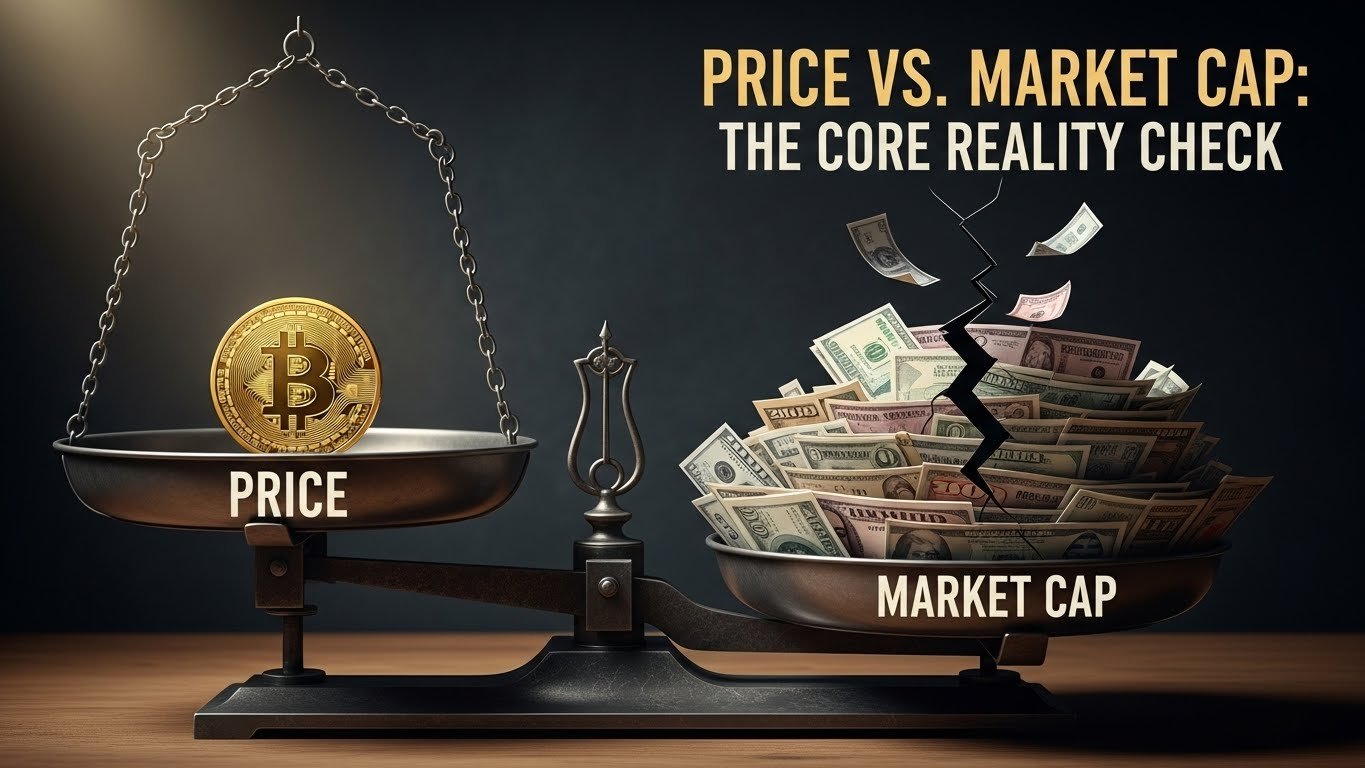
The second one might be far less volatile, while the first might be capable of dramatic moves—up or down—on relatively small capital flows. The practical takeaway is simple: treat “altcoin under $0.05” as a starting filter, not a conclusion. The real question is whether the token is an undervalued crypto relative to its traction and its future demand.
Why 2026 Makes This Category Especially Popular
In 2026, crypto narratives often rotate around scaling, real utility, and sustainable token models. That environment can shine a spotlight on an altcoin under $0.05 that has quietly built during slower periods. When adoption accelerates, the market tends to “re-rate” projects that demonstrate measurable growth. That re-rating is where undervaluation can correct rapidly—sometimes faster than most people expect.
What Makes an Altcoin Under $0.05 “Undervalued” in 2026
Calling an altcoin under $0.05 “undervalued” is a claim that the market is pricing it below its likely future value. In 2026, that usually means the project has some combination of real usage, credible differentiation, and an improving supply-and-demand setup, but it hasn’t yet captured mainstream attention.
An undervalued token tends to sit in the shadow of louder narratives until a catalyst forces the market to notice. That catalyst could be a major partnership, a new exchange listing, a breakthrough product launch, or simply a surge in on-chain activity that becomes impossible to ignore.
Utility and Demand: The First Pillar of Undervaluation
For an altcoin under $0.05 to be an undervalued crypto, it must have a reason people need the token. In modern markets, “utility” isn’t marketing language—it’s measurable demand. Does the token pay for network fees? Is it required for staking, governance, or accessing premium features? Does it secure a network or coordinate incentives in a way that creates ongoing buying pressure?
A strong utility token design can turn an altcoin under $0.05 into a demand-driven asset rather than a purely speculative chip. Demand-driven tokens tend to survive longer and recover faster after market drawdowns because users, not just traders, are holding them.
Tokenomics: Supply Schedules Can Make or Break the Thesis
In 2026, more investors scrutinize tokenomics because they’ve learned a painful lesson: inflation and unlocks can crush price even when the product is improving. An altcoin under $0.05 might look dormant, but if a giant tranche of tokens unlocks every month, the market is fighting constant sell pressure.
Undervaluation often appears when tokenomics begin to improve. That might mean emissions decline, burns increase, staking removes supply from circulation, or vesting cliffs pass. When the supply dynamics become friendlier, a low-priced asset can suddenly behave like a coiled spring.
Liquidity and Listings: Visibility Is a Valuation Multiplier
Liquidity matters because thin markets exaggerate volatility. A true altcoin under $0.05 opportunity typically needs enough liquidity to support new buyers without extreme slippage. Exchange listings also matter because accessibility expands the buyer base. Many projects remain an undervalued crypto simply because they are hard to buy, difficult to understand, or not visible where new capital enters.
In 2026, visibility doesn’t just mean centralized exchanges. It also means deep DEX liquidity, smooth cross-chain bridges, and integrations that make the token feel “everywhere” rather than isolated.
Key Metrics to Evaluate an Altcoin Under $0.05
If you want to treat an altcoin under $0.05 as a serious investment candidate, you need measurable indicators. Narratives can be useful, but numbers keep you honest.
On-Chain Activity and User Growth
On-chain metrics are especially valuable because they’re harder to fake over long periods. Look for rising active addresses, steady transaction growth, consistent fee activity (where relevant), and meaningful contract interactions. When an altcoin under $0.05 shows increasing network use, that can be a strong signal that the asset is an undervalued crypto waiting for broader recognition.
The nuance is that not all chains or apps measure “activity” the same way. The goal is to identify sustained patterns, not a one-week spike that disappears.
Developer Momentum and Product Delivery
A project can market endlessly, but shipping consistently is what builds long-term value. An altcoin under $0.05 can remain undervalued for months until a major release lands and users show up. Developer momentum is often visible through frequent updates, active repositories, and a clear cadence of improvements.
In 2026, the market tends to reward reliability. A steady builder can outperform a louder project that misses deadlines.
Community Strength Without Hype Dependency
Community is an asset, but it has to be resilient. Many low-priced altcoin communities are fueled by price memes and promises. A healthier signal is community engagement around product features, integrations, governance proposals, and real feedback loops.
If an altcoin under $0.05 relies entirely on hype to stay alive, it usually isn’t undervalued—it’s unstable. A community that cares about utility can make an undervalued token more durable in tough market conditions.
2026 Narratives That Can Lift an Altcoin Under $0.05
Crypto cycles often move by narrative waves. When a wave hits, it can rapidly pull up an altcoin under $0.05 that fits the theme.
Scaling and Modular Infrastructure
In 2026, many investors focus on networks and tools that reduce costs, increase throughput, and simplify development. A micro-cap crypto connected to layer-2 scaling, modular execution, or cross-chain interoperability can stay undervalued until a major ecosystem adopts it.
If a project provides critical infrastructure, value can accrue quietly—then reprice suddenly when usage becomes undeniable.
DeFi Utility That Survives Market Rotations
DeFi remains a core category, but 2026 favors models with better risk controls, real liquidity, and sustainable incentives. An altcoin under $0.05 tied to trading, lending, collateral infrastructure, or yield tooling can look undervalued if it generates consistent usage rather than relying on short-term rewards.
The strongest candidates often show a pattern of sticky users—people who return because the product is useful, not because the APY is temporarily high.
AI, Gaming, and Consumer Apps
Some of the biggest valuation repricings happen when a token becomes part of a consumer experience. AI crypto narratives and user-friendly apps can pull attention toward an altcoin under $0.05 that acts as a payment rail, an access key, or a staking asset powering the ecosystem.
The best sign here is not announcements—it’s user retention. Consumer adoption can turn “cheap” into legitimately undervalued crypto when it creates recurring demand.
Common Traps When Chasing an Altcoin Under $0.05
It’s possible to be right about the theme and wrong about the token. The category of altcoin under $0.05 includes both hidden gems and value traps.
Oversupply and Endless Dilution
A token can stay under $0.05 for years if supply expands faster than demand. If the project prints new tokens aggressively, the price may remain low even when market cap rises. That’s why an altcoin under $0.05 is not automatically “early.”
In 2026, investors increasingly avoid designs that require constant inflation to function. Sustainable systems can still reward holders, but they don’t depend on nonstop dilution.
Thin Liquidity and Manipulated Pumps
Some micro-cap crypto assets move dramatically because it doesn’t take much money to move them. That cuts both ways. Liquidity issues can turn an altcoin under $0.05 into a painful trade if you can’t exit without collapsing the price.
A healthier market structure includes deep liquidity, diversified holders, and gradual growth rather than sudden vertical candles.
Narrative-Only Projects Without Measurable Progress
A polished website is not progress. A charismatic founder is not progress. A viral thread is not progress. An altcoin under $0.05 becomes an undervalued crypto only when there is real evidence that it is building something users want.
In 2026, projects that can’t show usage data, shipping milestones, or real partnerships often struggle once attention shifts.
How to Build a Smart Research Process for Altcoin Under $0.05 Picks
The most effective approach is a repeatable framework. If you’re exploring an altcoin under $0.05, aim to reduce guesswork and increase evidence.
Start With Valuation Bands, Not Dreams
Instead of asking, “Can this altcoin under $0.05 hit $1?” ask, “What market cap would that imply, and is it realistic?” This simple move removes most of the fantasy. It also helps you compare multiple tokens fairly by focusing on market cap and potential adoption.
If the implied valuation would require the token to become one of the biggest networks in the world, you may still invest—but you’re doing it with open eyes.
Look for Confirmable Catalysts
Catalysts are events or shifts that can change perception. For an altcoin under $0.05, credible catalysts might include a major product launch, a meaningful integration, a new staking mechanism that reduces circulating supply, or a high-quality listing that expands access.
In 2026, the best catalysts are the ones that can be verified by usage afterward. If the “big announcement” doesn’t lead to measurable adoption, it often fades quickly.
Align Time Horizon With Volatility Reality
A low-priced asset can be extremely volatile. Even if an altcoin under $0.05 is truly an undervalued crypto, the market may take time to notice. If you can’t tolerate drawdowns, you may end up selling before the thesis plays out.
This is why disciplined position sizing and clear time horizons matter more than ever in 2026’s fast-rotating markets.
What the “Most Undervalued Crypto of 2026” Could Look Like
The phrase “most undervalued” is seductive, but the best mindset is probabilistic. The “most undervalued crypto of 2026” is likely an altcoin under $0.05 that checks multiple boxes at once: improving tokenomics, visible user growth, strong liquidity trends, and a product that solves a real problem.
It probably won’t be the loudest project today. It may feel boring. It may have spent months underappreciated. That’s often exactly what undervaluation looks like before the market reprices it. When the repricing comes, it can be sudden, because attention and capital move quickly once a story becomes obvious.
At the same time, the best researchers never treat an altcoin under $0.05 like a guaranteed moonshot. They treat it like a thesis: collect evidence, watch the metrics, and update the view as reality changes.
Conclusion
An altcoin under $0.05 can absolutely be an undervalued crypto in 2026—but only when the low price reflects temporary neglect, not permanent structural weakness. The difference is fundamentals. Focus on market cap logic, real utility, tokenomics, liquidity, and on-chain metrics that show adoption. In a market where narratives rotate fast, the strongest opportunities tend to be the projects quietly building demand while the crowd looks elsewhere. If you approach any altcoin under $0.05 with a clear framework, you’re far more likely to find value—and far less likely to become exit liquidity for hype.
FAQs
Q: Is an altcoin under $0.05 always a good investment?
No. An altcoin under $0.05 can be cheap in price but expensive in valuation if supply is large. It becomes a stronger candidate only when fundamentals support the idea that it’s an undervalued crypto.
Q: What matters more: price or market cap for an altcoin under $0.05?
Market cap matters more. Price is just the unit cost. For an altcoin under $0.05, market cap and supply dynamics reveal whether upside targets are realistic and whether the token is truly undervalued.
Q: How can I tell if an altcoin under $0.05 has real demand?
Look for measurable usage: growth in users, rising activity, integrations, and sustainable reasons to hold or spend the token. Strong utility and improving on-chain metrics often indicate real demand.
Q: What are the biggest risks with an altcoin under $0.05?
Common risks include heavy dilution from poor tokenomics, low liquidity, unlock schedules that add sell pressure, and projects driven by hype rather than product delivery. These can keep an altcoin under $0.05 suppressed or highly volatile.
Q: Can an altcoin under $0.05 become the most undervalued crypto of 2026?
It can, but it needs multiple factors aligning—adoption growth, credible catalysts, healthier supply dynamics, and broader visibility. The best “undervalued” cases are usually supported by evidence, not just optimism.
Also More: Bitcoin Near $90K as Volume Shrinks Altcoins Split