Fujitsu and Figure Launch Blockchain Initiives
Fujitsu and Figure launch blockchain initiatives for industry, transforming enterprise data sharing, finance, and trusted digital ecosystems.


Blockchain technology has quietly moved beyond experimental pilot programs and cryptocurrency headlines into the core of industrial innovation. Today, global enterprises are actively adopting blockchain to solve real operational challenges—ranging from cross-border data sharing and supply chain transparency to financial settlement and regulatory compliance. This evolution is why the announcement that Fujitsu and Figure launch blockchain initiatives for industry is gaining attention across technology, finance, and enterprise sectors.
Both companies approach blockchain from different but complementary angles. Fujitsu, a global leader in enterprise IT and digital transformation, is focused on creating interoperable blockchain ecosystems that allow organizations to securely share data across networks and industries. Figure, on the other hand, is redefining capital markets infrastructure by using blockchain to modernize lending, securitization, and financial asset management.
Together, these initiatives signal a critical shift: blockchain is no longer about experimentation—it is becoming industrial infrastructure. As industries face growing pressure to digitize, automate, and collaborate across organizational boundaries, blockchain offers a foundation of trust, transparency, and efficiency that traditional systems struggle to provide.
The Growing Importance of Blockchain Initiatives for Industry
Industries today operate in complex ecosystems where multiple organizations must coordinate data, assets, and transactions in real time. Whether in manufacturing, logistics, energy, or finance, inefficiencies arise when data is siloed, duplicated, or manually reconciled. This is where blockchain initiatives for industry deliver tangible value.
Blockchain provides a shared and immutable ledger that all participants can trust without relying on a single controlling authority. This capability dramatically reduces disputes, manual verification, and operational delays. As regulatory requirements increase and digital ecosystems expand, blockchain is emerging as a reliable backbone for enterprise collaboration.
The timing is also critical. Industries are undergoing rapid digital transformation driven by automation, artificial intelligence, and cloud computing. Blockchain complements these technologies by adding a layer of verifiable trust that ensures data integrity and accountability across systems. This broader context explains why Fujitsu and Figure launch blockchain initiatives for industry represents more than individual projects—it reflects a systemic shift in how businesses operate.
Fujitsu’s Blockchain Vision for Enterprise Collaboration
Fujitsu’s blockchain strategy is centered on interoperability, security, and large-scale enterprise adoption. Rather than promoting a single proprietary blockchain, Fujitsu emphasizes the importance of connecting different ledgers and systems into unified, trusted networks. This approach acknowledges the reality that enterprises already operate multiple platforms and cannot afford disruptive replacements.
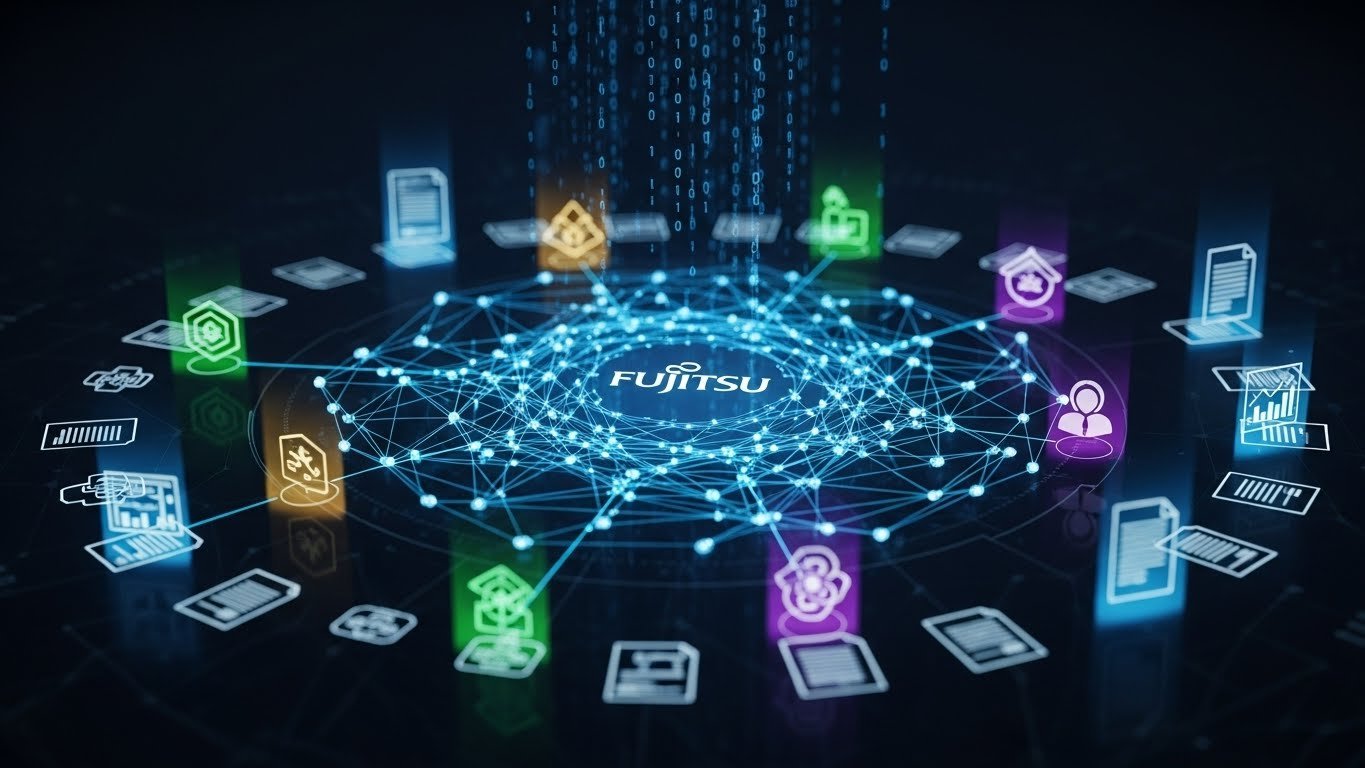
By focusing on distributed ledger technology, Fujitsu aims to enable seamless collaboration across organizations while preserving data sovereignty and security. This vision aligns closely with the needs of industries that require verified data sharing without exposing sensitive information.
Interoperability as the Foundation of Industrial Blockchain
One of the biggest barriers to blockchain adoption in industry is fragmentation. Many early blockchain projects operated in isolation, limiting their usefulness. Fujitsu addresses this challenge by developing solutions that link multiple blockchains and enterprise systems together.
Interoperability allows organizations to exchange data and value across networks without forcing all participants onto a single platform. This is particularly important for industries such as logistics and finance, where partners may use different technologies but still need a single source of truth.
By enabling blockchain networks to communicate with each other, Fujitsu supports scalable, flexible ecosystems that can evolve over time. This approach makes blockchain a practical tool for long-term industrial use rather than a short-lived experiment.
Secure Data Sharing and Digital Trust
Another core element of Fujitsu’s blockchain initiatives is secure data sharing. In industrial environments, data is often both valuable and sensitive. Companies must balance transparency with confidentiality, especially when working with partners or regulators.
Blockchain-based access controls and encryption allow organizations to share verified data while maintaining strict permissions. This creates a foundation of digital trust, enabling collaboration without sacrificing security. As industries increasingly rely on shared data to optimize operations, this capability becomes essential.
Figure’s Blockchain-Driven Transformation of Capital Markets
While Fujitsu focuses on broad enterprise ecosystems, Figure applies blockchain directly to financial markets. Its mission is to modernize capital markets by replacing slow, costly, and fragmented processes with blockchain-native infrastructure.
Traditional financial systems rely on multiple intermediaries, batch processing, and manual reconciliation. These inefficiencies increase costs and limit access to capital. Figure’s blockchain initiatives aim to address these problems by creating transparent, automated, and continuously operating financial networks.
Blockchain as Financial Infrastructure
Figure uses blockchain not as an add-on, but as the core infrastructure for financial transactions. This enables faster settlement, reduced counterparty risk, and improved transparency across the asset lifecycle. By recording transactions on a shared ledger, all participants can access the same verified data in real time.
This approach has significant implications for industries that depend on financing. Faster and more efficient capital markets can improve liquidity, reduce borrowing costs, and accelerate economic activity. In this sense, Figure’s blockchain initiatives extend beyond finance and into the broader industrial economy.
Tokenization and Asset Transparency
A key component of Figure’s strategy is tokenization—the digital representation of assets on a blockchain. Tokenization allows assets to be tracked, transferred, and analyzed with unprecedented efficiency. Performance history, ownership records, and compliance data can all be embedded into the digital asset itself.
For industry, this concept extends beyond financial instruments. Equipment, infrastructure, and even intellectual property can benefit from blockchain-based asset records that improve transparency and accountability throughout their lifecycle.
Shared Themes Between Fujitsu and Figure
Although Fujitsu and Figure operate in different domains, their blockchain initiatives share several important themes that define successful blockchain initiatives for industry.
Trust as a Core Design Principle
Both companies treat trust as a foundational requirement rather than an afterthought. Blockchain’s value lies in its ability to establish shared truth among participants who may not fully trust each other. By designing systems that embed verification, auditability, and transparency, both Fujitsu and Figure enable collaboration at scale.
Automation and Efficiency
Automation is another common goal. Smart contracts and blockchain-based workflows reduce manual intervention, accelerate processes, and minimize errors. Whether settling financial transactions or validating supply chain data, automation improves efficiency and lowers operational costs.
Governance and Compliance
Industrial blockchain initiatives must operate within regulatory frameworks. Fujitsu and Figure both emphasize governance structures that define roles, permissions, and accountability. Clear governance ensures that blockchain networks remain compliant, secure, and sustainable over time.
Real-World Industry Applications of Blockchain Initiatives
The practical implications of Fujitsu and Figure launch blockchain initiatives for industry can be seen across multiple sectors.
Supply Chain Transparency
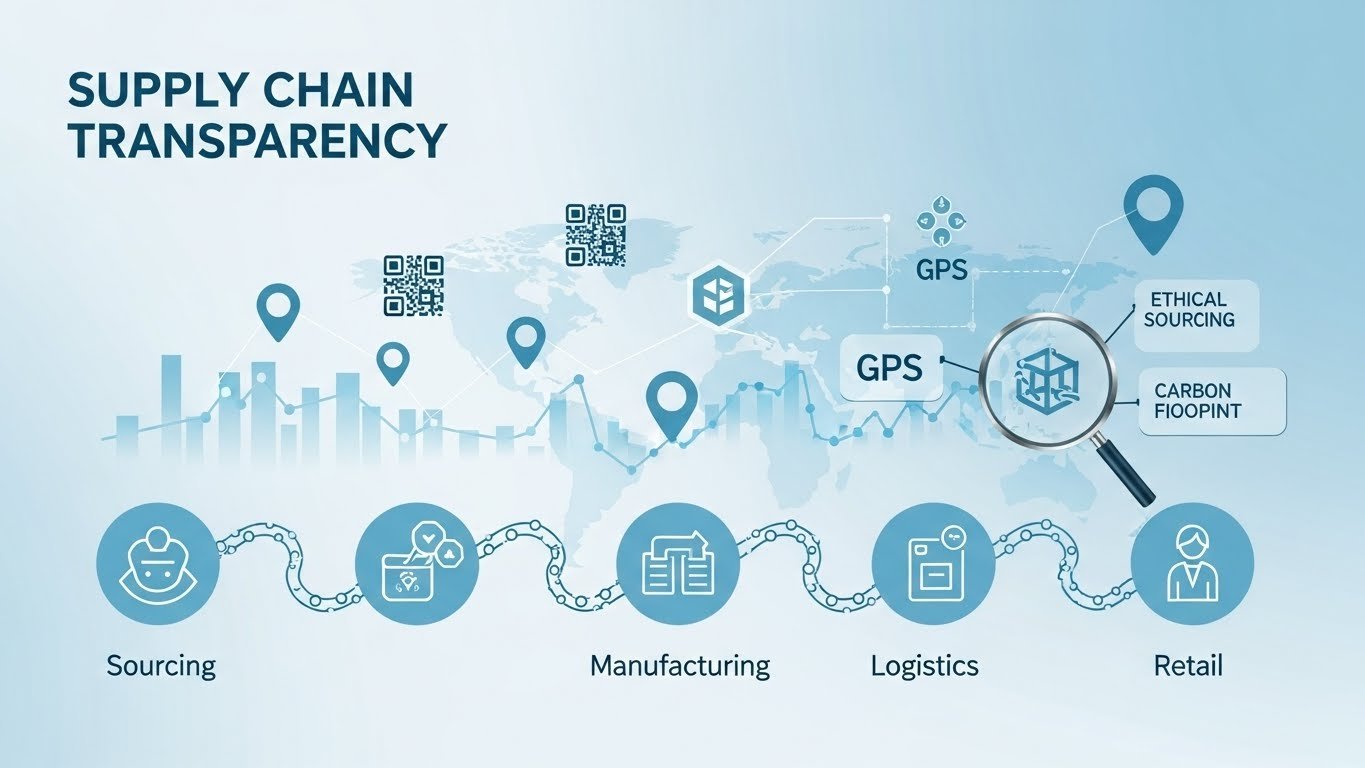
Blockchain enables end-to-end visibility across supply chains by recording each step of a product’s journey on a shared ledger. This improves traceability, reduces fraud, and supports compliance with environmental and ethical standards.
Cross-Organizational Data Collaboration
Industries often struggle with inconsistent data across partners. Blockchain provides a synchronized record that eliminates discrepancies and improves decision-making. This capability is particularly valuable in manufacturing, logistics, and healthcare.
Financial Operations and Settlement
Blockchain-based financial infrastructure reduces settlement times from days to minutes. Faster settlement improves liquidity and reduces risk, benefiting both financial institutions and the industries they serve.
Evaluating Blockchain Initiatives for Industrial Use
Organizations inspired by Fujitsu and Figure launch blockchain initiatives for industry should approach adoption strategically.
The most successful projects focus on specific pain points rather than broad transformation. Processes that involve multiple parties, high reconciliation costs, or regulatory complexity are ideal candidates. Integration with existing systems and clear governance structures are also critical to long-term success.
The Future of Blockchain in Industry
Blockchain is transitioning from emerging technology to foundational infrastructure. As interoperability improves and standards mature, blockchain will become an invisible but essential layer of industrial operations.
The initiatives launched by Fujitsu and Figure demonstrate how blockchain can support both horizontal collaboration across industries and vertical optimization within specific domains. Together, they highlight a future where trust, transparency, and automation are embedded directly into the digital fabric of industry.
Conclusion
The announcement that Fujitsu and Figure launch blockchain initiatives for industry marks a significant milestone in enterprise technology adoption. These initiatives show how blockchain can move beyond experimentation to deliver real operational value. Fujitsu’s focus on interoperability and trusted data sharing complements Figure’s transformation of financial infrastructure, illustrating two powerful paths toward industrial blockchain adoption.
As industries continue to digitize and collaborate across complex ecosystems, blockchain will play an increasingly important role. Organizations that understand and adopt these principles early will be better positioned to compete in a more connected, transparent, and efficient global economy.
FAQs
Q: Why are blockchain initiatives important for industry?
Blockchain initiatives help industries improve trust, transparency, and efficiency by providing shared, verifiable records across multiple organizations.
Q: How does Fujitsu use blockchain differently from Figure?
Fujitsu focuses on enterprise interoperability and secure data sharing across industries, while Figure applies blockchain directly to financial and capital markets infrastructure.
Q: Is blockchain only useful for finance?
No, blockchain is valuable for supply chains, manufacturing, healthcare, energy, and any industry that requires trusted data sharing and coordination.
Q: What are the biggest benefits of blockchain for enterprises?
Key benefits include reduced reconciliation costs, improved transparency, faster processes, enhanced security, and stronger compliance.
Q: How can companies start adopting blockchain initiatives?
Companies should begin with a clear use case, focus on governance and integration, and prioritize measurable operational improvements before scaling.