
Is Bitcoin Entering Another 2022-Style Bear Market?
Bitcoin has always thrived on extremes. When prices rise, optimism turns euphoric. When prices fall, fear spreads just as quickly.


Bitcoin has always thrived on extremes. When prices rise, optimism turns euphoric. When prices fall, fear spreads just as quickly. Recently, renewed volatility has reignited a familiar debate: is Bitcoin sliding toward another devastating bear market like the one seen in 2022? Adding fuel to the discussion is outspoken economist and gold advocate Peter Schiff, who has once again launched sharp criticism at Bitcoin, calling it fundamentally flawed while accusing Wall Street of irresponsibly promoting it.
The 2022 crypto crash remains fresh in investors’ minds. That year erased trillions in market value, shattered trust, and forced the industry to confront uncomfortable truths about leverage, speculation, and risk management. Today’s environment feels different on the surface, yet some warning signs look eerily familiar. Price corrections, declining risk appetite, institutional hesitation, and macroeconomic uncertainty are causing many to wonder whether history is preparing to repeat itself.
This article takes a deep dive into whether Bitcoin is truly facing another 2022-style bear market, what Peter Schiff’s criticism reveals about broader market sentiment, and how Wall Street’s growing involvement has changed the dynamics of the crypto ecosystem.
Why the 2022 Bear Market Still Shapes Bitcoin Sentiment
The 2022 bear market was not a typical correction. It was a systemic collapse that exposed structural weaknesses across the crypto industry. Rising interest rates drained liquidity from speculative assets, while overleveraged platforms collapsed under the weight of unsustainable business models. Investor confidence evaporated almost overnight.
Bitcoin, often marketed as a hedge against inflation and monetary instability, failed to protect many investors during that period. Instead of acting as a safe haven, it traded like a high-risk asset, falling sharply alongside tech stocks and other speculative investments. That experience reshaped expectations and permanently altered how many market participants interpret downside risk.
Today, even modest price declines trigger anxiety because investors remember how quickly losses accelerated in 2022. This psychological overhang means that sentiment can deteriorate rapidly, even without catastrophic events.
The emotional scars left on investors
Many retail and institutional investors learned painful lessons during the last bear market. Confidence was damaged not only by falling prices but by the collapse of trust in centralized platforms, influencers, and narratives that promised stability. As a result, today’s market is far more sensitive to negative signals, whether they involve price action, macroeconomic data, or public criticism from influential voices.
Current Bitcoin Market Conditions Explained
Bitcoin’s recent performance reflects a market caught between optimism and caution. On one hand, adoption has grown, infrastructure has matured, and institutional access has expanded. On the other, price volatility remains high, and demand appears more fragile during periods of uncertainty.
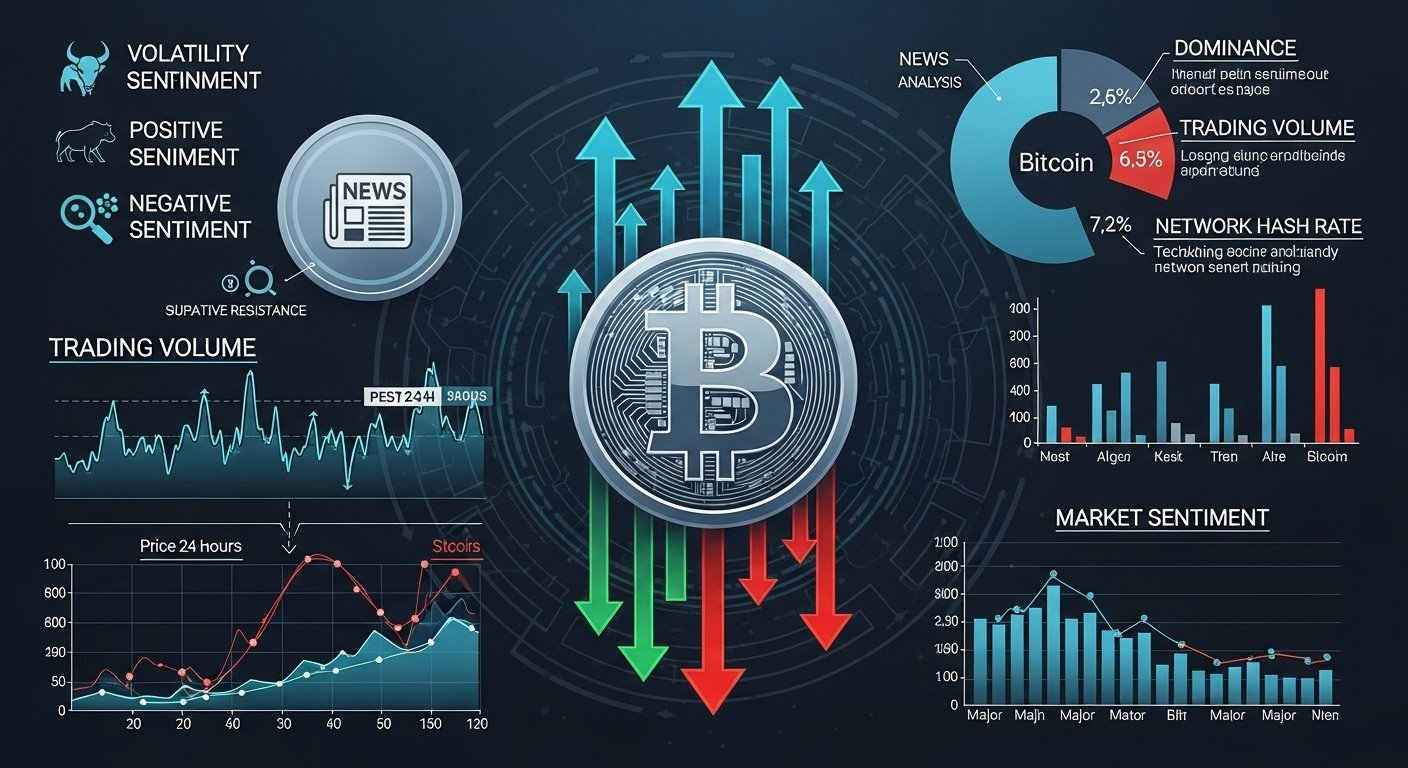
Macroeconomic pressures continue to play a major role. Higher interest rates reduce the appeal of non-yielding assets like Bitcoin. At the same time, geopolitical tensions and slowing global growth encourage investors to prioritize capital preservation over speculative gains.
Bitcoin’s price behavior increasingly mirrors broader financial markets. When equities struggle, Bitcoin often follows. This correlation undermines the argument that Bitcoin consistently functions as an independent store of value, especially during periods of stress.
Institutional influence and volatility
The growing role of institutional investors has reshaped Bitcoin’s market structure. While institutional participation adds liquidity and legitimacy, it also introduces faster capital rotation. Large players tend to move quickly, amplifying both rallies and sell-offs. When sentiment shifts, institutional selling can accelerate declines far more rapidly than retail-driven markets of the past.
Peter Schiff’s Criticism of Bitcoin
Peter Schiff has long been one of Bitcoin’s most vocal critics, and his latest comments echo themes he has repeated for years. According to Schiff, Bitcoin lacks intrinsic value and survives largely on speculation. He argues that Bitcoin’s failure to protect investors during market downturns proves it is not a legitimate alternative to traditional stores of value like gold.
Schiff frequently contrasts Bitcoin with precious metals, emphasizing gold’s long history, physical properties, and perceived stability. From his perspective, Bitcoin’s volatility disqualifies it as a reliable hedge, especially during economic uncertainty.
Why Schiff’s arguments resonate during downturns
Schiff’s criticism gains traction when Bitcoin struggles. During bull markets, his warnings are often dismissed as outdated or biased. During corrections, however, his message aligns with investor fears. When Bitcoin underperforms traditional safe-haven assets, Schiff’s narrative feels validated to many observers.
Yet, his arguments also rely heavily on comparing Bitcoin to gold, which may oversimplify Bitcoin’s role. Bitcoin was never designed to replicate gold perfectly; instead, it represents a new category of digital scarcity that behaves differently depending on market conditions.
Wall Street’s Role in Bitcoin’s Evolution
Wall Street’s growing involvement in Bitcoin has been transformative. Financial institutions now offer regulated products, custody services, and trading vehicles that make Bitcoin accessible to a broader audience. This integration has helped legitimize Bitcoin but has also changed its behavior.
As Bitcoin becomes more embedded in traditional finance, it is increasingly treated like any other risk asset. Portfolio managers adjust exposure based on macro conditions, performance metrics, and correlations. This approach reduces ideological commitment and increases short-term trading behavior.
Financialization and narrative shifts
The financialization of Bitcoin means that narratives can change quickly. In bullish environments, Bitcoin is promoted as innovation and digital gold. In bearish conditions, it is treated as excess risk to be reduced. This narrative whiplash contributes to volatility and can amplify downturns when confidence weakens.
Is Bitcoin Repeating the 2022 Pattern?
Comparing today’s market to 2022 requires careful analysis. While surface-level similarities exist, important differences separate the two periods.
In 2022, systemic failures triggered widespread panic. Platforms collapsed, liquidity vanished, and trust evaporated. Today, while volatility persists, the industry is structurally stronger. Regulations are clearer, transparency has improved, and many market participants are more cautious with leverage.
However, certain warning signs remain. Sharp sell-offs, rapid liquidations, and fragile sentiment suggest that Bitcoin is not immune to deeper declines if macro conditions worsen.
Similarities worth watching
Bitcoin still reacts strongly to liquidity changes and interest rate expectations. When monetary conditions tighten, speculative assets suffer. If economic uncertainty persists, Bitcoin could face prolonged downward pressure similar to past bear markets.
Key differences that matter
Unlike 2022, today’s market lacks widespread hidden insolvency. While price declines are possible, the probability of cascading platform failures appears lower. This reduces the likelihood of a full-scale systemic collapse, even if Bitcoin enters an extended bearish phase.
The Ongoing “Digital Gold” Debate
Bitcoin’s identity remains contested. Supporters argue it is digital gold, designed to preserve value over time. Critics counter that its volatility makes it unsuitable as a store of value.
The truth lies somewhere in between. Bitcoin’s long-term supply mechanics support scarcity, but short-term price action is heavily influenced by liquidity, sentiment, and speculation. As a result, Bitcoin may behave like digital gold over decades while acting like a risk asset over months or years.
This dual identity complicates investor expectations and fuels debates during every downturn.
Psychological Cycles and Market Fear
Bitcoin markets are driven as much by psychology as fundamentals. Fear spreads quickly, especially when price action confirms negative expectations. During downturns, bearish narratives dominate social media, news coverage, and investor conversations.
These psychological cycles can exaggerate price movements. When confidence breaks, selling accelerates regardless of long-term fundamentals. Understanding this dynamic is essential for interpreting whether current weakness represents structural failure or temporary fear.
What Could Confirm a New Bear Market?
A prolonged bear market would likely involve sustained lower highs, weak recoveries, declining demand, and persistent negative sentiment. If Bitcoin fails to attract buyers during rebounds and continues to underperform alternative assets, bearish momentum could strengthen.

Macroeconomic deterioration would further support this scenario. Rising unemployment, slowing growth, and tighter financial conditions would reduce appetite for speculative investments, including Bitcoin.
What Could Invalidate the Bearish Outlook?
Bitcoin has a history of defying consensus expectations. A shift in macro conditions, renewed institutional interest, or strong demand from long-term holders could reverse sentiment quickly.
Additionally, technological development and regulatory clarity could strengthen confidence. If Bitcoin demonstrates resilience during broader market stress, the narrative could shift away from comparisons to 2022.
Conclusion
Bitcoin is not immune to downturns, and concerns about another 2022-style bear market are understandable. Volatility, institutional sensitivity, and macroeconomic uncertainty create a fragile environment where fear can spread quickly. Peter Schiff’s criticism resonates during these moments because it aligns with investor anxiety and highlights Bitcoin’s unresolved identity.
However, today’s market is not identical to 2022. Structural improvements, increased transparency, and greater awareness of risk reduce the likelihood of a catastrophic collapse. While Bitcoin may face further downside, a repeat of the 2022 meltdown is not inevitable.
Ultimately, Bitcoin remains a young and evolving asset. Its future will be shaped by adoption, macro forces, and investor psychology. Whether this period becomes another historic bear market or simply a painful correction will depend on how confidence and liquidity evolve in the months ahead.
FAQs
Q: Is Bitcoin entering another 2022-style bear market?
Bitcoin shows some similar warning signs, but the market structure is stronger today, making a full repeat of 2022 less certain.
Q: Why does Peter Schiff criticize Bitcoin?
Peter Schiff believes Bitcoin lacks intrinsic value and prefers gold as a store of value, especially during economic uncertainty.
Q: How has Wall Street changed Bitcoin’s behavior?
Institutional involvement has increased liquidity and legitimacy but also amplified volatility and short-term trading.
Q: Is Bitcoin still considered digital gold?
Bitcoin may function as digital gold long term, but in the short term it often behaves like a risk asset.
Q: What factors could push Bitcoin lower?
Macroeconomic tightening, declining demand, and sustained negative sentiment could lead to further downside.
See More: Bitcoin Price Today at $92.7K Why BTC Is Falling and What It Means