Mantle Boosts DeFi Access via Infinex Integration
Decentralized finance has always promised open access, but the reality has often been more complicated. New users still face friction when b


Decentralized finance has always promised open access, but the reality has often been more complicated. New users still face friction when bridging assets, managing gas, navigating multiple chains, and safeguarding seed phrases. At the same time, experienced DeFi participants want deeper liquidity, faster execution, and lower fees without sacrificing security. This is where the headline development—Mantle Expands Global DeFi Access through Infinex Integration—lands with real significance.
Mantle has been steadily positioning itself as a high-performance ecosystem designed for scalable DeFi, while Infinex is focused on making DeFi feel simpler and more approachable without giving up the core values of decentralization. Put together, the Mantle–Infinex connection aims to reduce the “activation energy” required to participate in on-chain finance. Instead of forcing users to stitch together tools for bridging, swapping, portfolio tracking, and security, the integration points toward a more unified experience—one that can support both newcomers and power users.
The broader context matters too. Global DeFi adoption is expanding beyond early crypto hubs. People in emerging markets, freelancers working across borders, and communities with limited access to traditional banking are increasingly exploring stablecoins, on-chain yield, and permissionless lending. Yet many of these users don’t have the time—or tolerance—for complex multi-step workflows. If Mantle expands global DeFi access through Infinex integration in the way it’s designed to, the result is a smoother gateway into DeFi that feels less like a technical obstacle course and more like modern fintech—while remaining on-chain and transparent.
In this article, we’ll explore what the Mantle and Infinex integration likely means for usability, liquidity, security, and real-world adoption. We’ll also look at why this matters for the DeFi landscape, how it can influence developers and protocols, and what users should consider as they engage with this evolving ecosystem.
Why DeFi Access Still Feels Limited for Many Users
DeFi is “open,” but access is not just about permissionlessness—it’s about usability, cost, and confidence. For many users, the barriers are less ideological and more practical. Even a simple goal like swapping tokens and depositing them into a lending market can involve multiple apps, chain switches, and unfamiliar security decisions.
The Hidden Costs of Complexity
One common misconception is that lower fees alone solve accessibility. Cheaper transactions help, but a confusing experience can still prevent adoption. Users are often expected to understand bridges, wrapped assets, slippage, gas tokens, network parameters, and wallet security. That’s a steep learning curve, especially for people approaching crypto for the first time.
When users make mistakes—sending funds to the wrong chain, signing risky approvals, or losing a seed phrase—the consequences can be permanent. This reality keeps DeFi participation concentrated among those who are already technically confident. If Mantle Expands Global DeFi Access through Infinex Integration, one of the biggest wins is not just efficiency; it’s reducing the chance of user error by streamlining the path.
Fragmentation Across Chains and Apps
DeFi liquidity and innovation live across many networks. That’s great for competition and experimentation, but it introduces fragmentation. Users may find better yields on one chain, deeper liquidity on another, and the best user interface somewhere else. In practice, that means juggling multiple wallets, bridges, and dashboards.
A meaningful integration can help unify that experience. With cross-chain tooling, clearer workflows, and smoother asset movement, users can spend more time making decisions and less time troubleshooting.
Mantle’s Role in Scaling DeFi for a Global Audience

Mantle’s value proposition centers on making DeFi faster, cheaper, and more scalable while retaining the security expectations of modern blockchain infrastructure. While each ecosystem has its own design decisions, Mantle is often discussed alongside broader trends like layer-2 scaling and Ethereum scaling solutions that aim to reduce fees and improve throughput.
Lower Friction, Faster Settlement, Better User Experience
For DeFi users, speed and cost directly influence behavior. When transactions are expensive, users hesitate to rebalance portfolios, compound yield, or test new protocols. When transactions are slow, trading becomes riskier and less efficient. Mantle’s approach is geared toward enabling high-frequency DeFi activity—swaps, lending moves, collateral adjustments—without turning every click into a cost calculation.
This is especially relevant if Mantle expands global DeFi access through Infinex integration by making those benefits easier to reach through a simplified front-end experience. The best infrastructure in the world doesn’t matter if users can’t access it comfortably.
Ecosystem Growth and Liquidity Flywheels
A DeFi chain’s long-term success often hinges on liquidity depth and developer traction. When liquidity improves, trading becomes cheaper and less slippage-prone. When developers ship more products, users have more reasons to stay. Integrations that improve onboarding can act as multipliers for both. More users means more volume, more liquidity, more incentives for protocols, and stronger network effects.
This is why Mantle Expands Global DeFi Access through Infinex Integration is more than a headline. It’s a strategic move that can influence how capital and users flow into the ecosystem over time.
What Infinex Brings: Making DeFi Feel Less Intimidating
While different platforms emphasize different features, Infinex is typically associated with simplifying how users interact with DeFi. Instead of pushing users to learn every mechanical detail upfront, Infinex-style tooling aims to present DeFi actions in a more guided way—without turning DeFi into a custodial black box.
The Importance of Self-Custody Without the Pain
Self-custody is a core DeFi value, but it comes with responsibility. Many users want control over assets but fear the operational burden. Improvements in self-custody design—such as better key management, smarter session security, and clearer transaction previews—can reduce anxiety while keeping users in charge.
If Mantle expands global DeFi access through Infinex integration, a major benefit could be turning self-custody into something that feels manageable for everyday users, not just crypto veterans.
Better Onboarding for Real-World Users
Global adoption depends on workflows that fit real life. A user who wants to hold stablecoins, earn yield, or swap assets should not need an advanced understanding of block production and bridging mechanics. Better UX doesn’t dilute decentralization; it translates decentralization into usable tools.
Infinex integration can help Mantle present DeFi actions—swapping, lending, providing liquidity, staking—in a way that’s clearer and less error-prone. That’s how you move from niche adoption to mainstream participation.
How the Integration Expands Global DeFi Access in Practice
Let’s get specific about what “access” means. Access isn’t only about geography; it’s about device constraints, network costs, time, education, and risk tolerance. A well-executed integration can address multiple dimensions at once.
Streamlined Asset Movement and Cross-Chain Participation
Many users still struggle with bridging, especially when it involves multiple steps and unfamiliar tokens. If Infinex provides guided flows and Mantle provides efficient execution, users can move value across ecosystems more confidently. This supports a world where users aren’t forced to pick a single chain—they can follow opportunities where they exist.
With cross-chain support and simplified interfaces, Mantle expands global DeFi access through Infinex integration by reducing the operational gap between “I want to do this” and “I successfully did this.”
Easier Entry into Core DeFi Activities
The heart of DeFi includes swapping, lending/borrowing, liquidity provision, and yield strategies. New users often hesitate because each action requires multiple decisions and unfamiliar risks. A more unified interface can help by making those choices legible: what you’re depositing, what you’re earning, what you’re risking, and what you can do if markets move.
This matters globally because many users are not looking for complex leverage; they want practical tools—saving, earning, remitting, and managing exposure. The integration can help DeFi function as a financial utility rather than a hobby for specialists.
Reducing Fee Anxiety and “Micro-Transaction” Barriers
In many regions, users operate with smaller balances. If fees are unpredictable or high relative to transaction size, DeFi becomes unusable. Mantle’s efficiency, paired with a smooth Infinex flow, can make smaller transactions more viable—helping users build habits like recurring deposits, incremental swaps, or periodic portfolio rebalancing.
In that sense, Mantle expands global DeFi access through Infinex integration by making DeFi workable for a wider range of economic realities.
Security, Trust, and the UX–Safety Balance
Improving user experience must not come at the cost of security. In DeFi, smoother UX can sometimes hide critical information users need. The goal is not to remove transparency—it’s to present it in a way users can understand.
Safer Transaction Context and Approval Hygiene
One common DeFi risk is overbroad token approvals. Users sign approvals without understanding what they allow, and malicious contracts can exploit them. Better interfaces can highlight approvals, encourage least-privilege permissions, and provide clearer warnings. This kind of “invisible safety” is what helps DeFi scale responsibly.
If Mantle expands global DeFi access through Infinex integration, it should ideally include better handling of approvals, better transaction previews, and clearer explanations of what a signature does.
Smart Account Patterns and Wallet Abstraction
A growing trend in crypto UX is wallet abstraction and smart account design, which can improve recovery options and simplify multi-step actions. Done well, this can reduce the likelihood of catastrophic loss without turning the system custodial.
For global users—especially those who may share devices, face connectivity challenges, or lack secure storage—these improvements can be the difference between trying DeFi once and becoming a long-term participant.
Infrastructure Integrity and Risk Management
Users also care about whether an ecosystem is built to last. That includes code quality, operational reliability, and a culture of responsible disclosure. Mentions of security audits, risk frameworks, and transparent incident response can improve confidence—especially for users who are allocating meaningful savings.
No integration removes DeFi risk, but it can reduce avoidable risk through better defaults, clearer education, and safer flows.
What This Means for Developers and Protocol Builders
Users are one side of the equation. Developers are the other. Integrations that increase user inflow can change the economic incentives for builders: more users mean more volume, which can justify deeper product investment.
Faster Growth Loops for New Protocols
When onboarding improves, protocols don’t have to fight as hard for first-time users. Instead, they can focus on retention and differentiated features. If Infinex acts as a user-friendly access layer into Mantle’s DeFi ecosystem, new protocols can benefit from distribution without building every UX component from scratch.
That is a major reason why Mantle expands global DeFi access through Infinex integration: it potentially increases the addressable user base for every application on the network.
Better Product Design Through Composability
DeFi thrives on composability—apps connecting to other apps like financial Lego. When an ecosystem grows, composability becomes more powerful because there’s more liquidity, more primitives, and more opportunities for integrations.
Developers can build strategies around staking, yield, automated portfolio logic, and advanced trading—then rely on smoother access layers to make those features usable by a broader audience.
Real-World Use Cases: Why Global Access Matters
Global DeFi access is not an abstract mission statement. It translates into practical behaviors and outcomes.
Stablecoin Saving and Inflation Protection
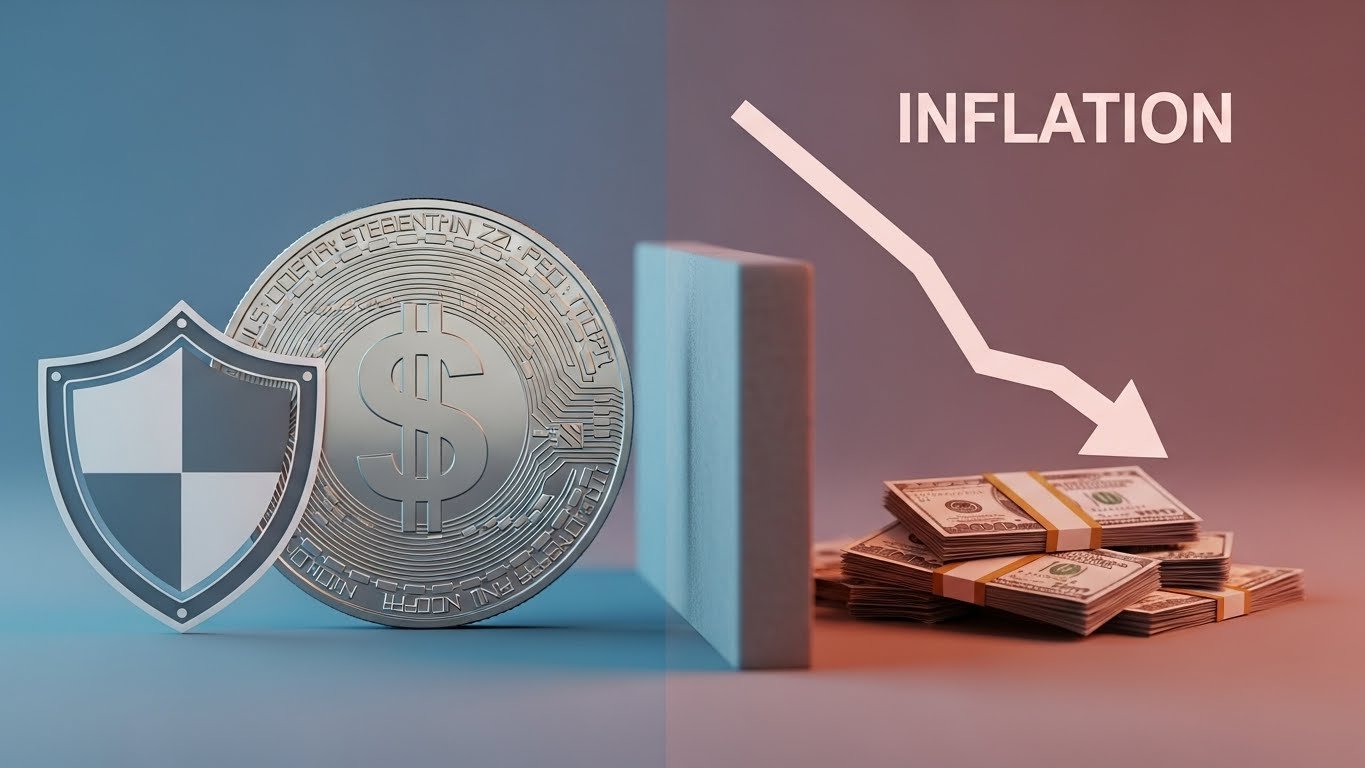
In countries with volatile currencies, users often seek stable stores of value. DeFi can provide access to stablecoins and yield opportunities, but only if onboarding and usage are not excessively complex. When Mantle expands global DeFi access through Infinex integration, it potentially supports users who want to save in stable assets, earn modest yield, and manage risk transparently.
Cross-Border Payments and Freelancer Income
Freelancers and remote workers need affordable ways to receive and manage payments. DeFi can reduce fees and delays, but multi-chain workflows can be intimidating. A smoother user experience makes it more realistic for people to receive funds, swap to preferred assets, and deploy idle capital—without becoming blockchain engineers.
On-Chain Portfolio Management for Everyday Users
As crypto becomes more mainstream, users want portfolio tools that feel familiar: balances, performance, and straightforward actions. DeFi doesn’t need to be complicated to be powerful. It needs to be legible. This is where integrated experiences can shine by offering clear decision paths: deposit, borrow, swap, earn, withdraw.
Avoiding Overhype: What Users Should Watch For
Even if the integration is strong, users should approach DeFi thoughtfully. The best user experience in the world can’t eliminate market volatility, smart contract risk, or liquidity shocks.
Understanding Yield and Risk
Yield is not a fixed promise; it’s a market outcome. Users should understand where yield comes from—trading fees, borrowing demand, incentives—and how it can change. A good UX should explain yield sources and potential risks without overwhelming users.
Fees, Slippage, and Execution Quality
Lower network fees don’t guarantee best execution. Users should still consider slippage, price impact, and route quality. If the integration helps users see these tradeoffs clearly, it meaningfully improves decision-making.
Security Practices Still Matter
Even with better tooling, users should treat wallets and approvals seriously. They should be cautious with links, verify contract interactions, and avoid signing transactions they don’t understand. Integrations can reduce risk, but personal security habits still play a key role.
Conclusion
The promise of DeFi has always been global, but the user experience has often been local to a small group of experts. Mantle Expands Global DeFi Access through Infinex Integration because it targets the real bottleneck: the gap between powerful on-chain infrastructure and the everyday user’s ability to use it safely.
Mantle contributes scalable, efficient execution that can make DeFi economically practical, while Infinex contributes a more approachable way to navigate complex workflows. Together, they point to a future where DeFi participation is less about mastering tools and more about making informed financial choices. If the integration continues to mature with a strong focus on transparency, security, and usability, it can help bring DeFi closer to mainstream reality—where global access is not just a slogan, but a daily experience for millions of users.
FAQs
Q: What does “Mantle Expands Global DeFi Access through Infinex Integration” actually mean?
It means the Mantle ecosystem becomes easier to use through Infinex-powered flows that simplify common DeFi actions. The aim is smoother onboarding, clearer transactions, and more intuitive ways to interact with Mantle-based DeFi.
Q: How can this integration help new DeFi users?
New users often struggle with bridging, gas, and complex interfaces. A streamlined experience can reduce mistakes, improve confidence, and make it easier to start with basics like swapping tokens, holding stablecoins, or earning yield.
Q: Does the integration make DeFi safer?
No DeFi setup is “risk-free,” but better UX can reduce avoidable risk by improving transaction clarity, encouraging safer approvals, and guiding users through steps that are commonly misunderstood.
Q: Why is global access such a big focus for Mantle DeFi?
Because DeFi growth increasingly comes from users outside early crypto hubs. People who need stable value, low-cost transfers, or alternative financial access benefit most when DeFi becomes usable without advanced technical knowledge.
Q: What should experienced users care about in the Mantle–Infinex connection?
Experienced users may benefit from faster execution, improved workflow efficiency, and easier cross-chain participation. If liquidity and onboarding improve, it can also create better trading conditions and more opportunities across the Mantle ecosystem.
Also More: USD1 DeFi Lending Platform Launch Lifts Dolomite Tokens