Iran Conflict Pressures Bitcoin Market Stability
Iran conflict pressures Bitcoin, yet the crypto market shows surprising resilience. Explore how geopolitics impacts Bitcoin price and investor sentiment.

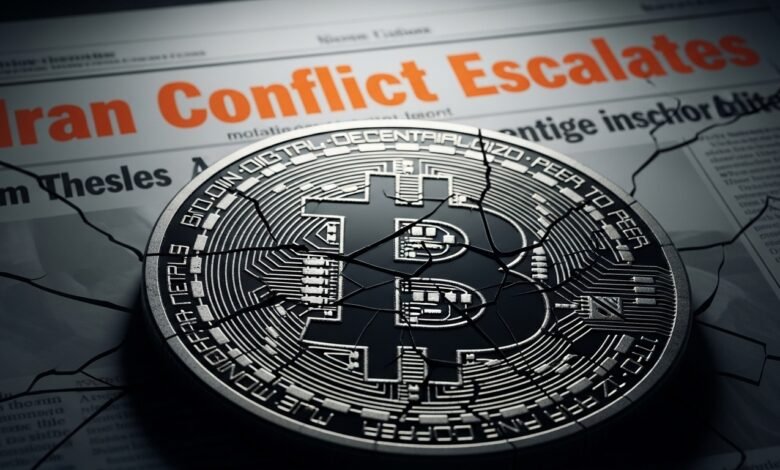
Global geopolitics has always influenced financial markets, from oil prices to equities and foreign exchange. In recent months, renewed tensions in the Middle East have once again shaken investor confidence. As headlines focus on rising instability, many traders are asking how digital assets are reacting. The Iran conflict pressures Bitcoin, raising concerns about volatility, liquidity, and overall market stability. Yet despite the uncertainty, Bitcoin has demonstrated resilience that few expected.
When geopolitical risk intensifies, traditional markets often respond with sharp sell-offs, capital flight to safe-haven assets, and increased volatility. Bitcoin, often described as digital gold, sits in a unique position. It is both a risk asset and, for some investors, a hedge against geopolitical instability. This dual identity creates a fascinating dynamic when conflicts emerge.
The current Iran conflict pressures Bitcoin through heightened market anxiety, fluctuations in global energy markets, and shifts in investor sentiment. However, the broader cryptocurrency market has shown signs of maturity, absorbing shocks more effectively than in previous crises. This article explores how geopolitical tensions are influencing Bitcoin price action, why the crypto market remains relatively stable, and what this means for investors navigating uncertain times.
How Geopolitical Tensions Impact Bitcoin Markets
Geopolitical conflicts have historically disrupted global markets by increasing uncertainty and reducing investor appetite for risk. The Iran conflict pressures Bitcoin primarily through macroeconomic ripple effects rather than direct operational threats. When instability rises in the Middle East, oil prices often surge, inflation expectations increase, and global equities experience turbulence.
Bitcoin, as a globally traded digital asset, reacts swiftly to these developments. Short-term traders often sell off holdings during periods of uncertainty, fearing cascading liquidations across crypto exchanges. This can create rapid price swings, especially in leveraged markets. However, the modern crypto ecosystem is more robust than in previous years. Institutional investors, long-term holders, and improved derivatives infrastructure contribute to deeper liquidity. While the Iran conflict pressures Bitcoin in the short term, broader adoption and diversification of holders have helped prevent extreme collapses.
Bitcoin’s Dual Identity: Risk Asset or Safe Haven?
One of the most debated topics in finance is whether Bitcoin behaves as a risk-on asset or a safe-haven investment. During stock market rallies, Bitcoin often rises alongside equities. Yet in moments of currency instability or capital controls, it sometimes acts as a hedge. The Iran conflict pressures Bitcoin because investors are unsure which narrative will dominate.
In the immediate aftermath of geopolitical escalation, Bitcoin may drop alongside global equities as traders reduce exposure. But over time, as concerns about fiat currency stability and inflation grow, demand for decentralized assets can increase. This dual nature has become more evident in recent years. Bitcoin’s correlation with the Nasdaq suggests sensitivity to broader risk sentiment. Yet its decentralized, borderless design appeals to those seeking protection from geopolitical and monetary instability.
Role of Energy Markets in Bitcoin Volatility
The Middle East plays a critical role in global oil supply. When conflict intensifies, oil prices often spike. The Iran conflict pressures Bitcoin indirectly by affecting mining costs and global inflation trends.
Rising Oil Prices and Mining Costs
Bitcoin mining relies heavily on electricity. When oil prices increase, energy markets often experience broader cost surges. Although many mining operations rely on renewable sources, fossil fuels still influence electricity pricing in numerous regions. Higher energy costs can impact mining profitability. In theory, this could lead to reduced hash rate growth or miner sell-offs.
If miners liquidate holdings to cover operational costs, short-term downward pressure on Bitcoin price may occur. However, the modern mining industry is geographically diversified. Large mining pools operate in regions with stable energy infrastructure and competitive electricity rates. As a result, while the Iran conflict pressures Bitcoin through energy market fluctuations, the long-term network security remains largely intact.
Inflation Fears and Bitcoin’s Hedge Narrative
When oil prices surge due to geopolitical conflict, inflation concerns typically rise. Central banks may face pressure to maintain higher interest rates, influencing global liquidity conditions. Paradoxically, inflation fears can strengthen Bitcoin’s appeal. Supporters often describe Bitcoin as a hedge against currency debasement. As geopolitical instability drives inflation expectations, some investors increase exposure to digital assets. This dynamic explains why the Iran conflict pressures Bitcoin initially but may later support its long-term narrative as a store of value.
Institutional Investors and Market Maturity
A key reason the market holds stronger than expected lies in the evolving profile of Bitcoin investors. The cryptocurrency ecosystem is no longer dominated solely by retail traders.
Institutional Adoption Strengthens Market Structure
In recent years, institutional participation has expanded significantly. Hedge funds, asset managers, and publicly traded companies now hold Bitcoin on their balance sheets. Exchange-traded products have increased accessibility for traditional investors. When the Iran conflict pressures Bitcoin, institutional investors often take a more measured approach than retail traders. Rather than panic selling, they evaluate macroeconomic conditions, liquidity cycles, and long-term trends. This shift in investor composition contributes to reduced volatility compared to earlier crypto cycles. While price fluctuations still occur, large-scale collapses are less frequent.
Derivatives and Liquidity Depth
The development of Bitcoin futures, options markets, and advanced trading platforms has improved liquidity. During geopolitical shocks, liquid markets can absorb sell pressure more efficiently. When the Iran conflict pressures Bitcoin, derivatives markets allow traders to hedge positions rather than exit entirely. This flexibility stabilizes price action and reduces the likelihood of extreme swings.
Market Psychology During Global Crises
Financial markets are driven not only by fundamentals but also by emotion. Fear, uncertainty, and doubt often amplify volatility during geopolitical events.
Fear-Driven Sell-Offs and Rapid Recoveries
When news of conflict breaks, algorithmic trading systems and short-term speculators often react instantly. The Iran conflict pressures Bitcoin as headlines trigger automated sell orders and liquidations. However, Bitcoin’s recovery patterns reveal growing resilience. Long-term holders frequently accumulate during dips, providing underlying support. On-chain data often shows reduced selling from long-term wallets even during periods of geopolitical stress.
Social Media and Information Flow
The cryptocurrency market operates 24/7, and information spreads rapidly across social platforms. News about the Iran conflict pressures Bitcoin sentiment almost instantly.Despite this rapid information cycle, experienced investors increasingly rely on macro indicators and on-chain analytics rather than emotional reactions. This shift toward data-driven decision-making contributes to overall market stability.
Comparing Bitcoin’s Response to Previous Conflicts
To understand why the market holds stronger than expected, it is useful to examine historical precedents.
Bitcoin During Earlier Geopolitical Events
In past geopolitical crises, Bitcoin often experienced sharp volatility. Limited liquidity and lower institutional involvement amplified market reactions. Today, however, the ecosystem is more mature. The Iran conflict pressures Bitcoin, but drawdowns are often followed by quicker stabilization. Improved infrastructure, custody solutions, and regulatory clarity provide additional confidence.
Increased Global Adoption
Bitcoin adoption has expanded significantly across emerging markets. In regions experiencing currency instability, Bitcoin serves as an alternative financial system. When geopolitical tensions rise, global demand for decentralized assets can increase. This broader user base strengthens market fundamentals and reduces dependency on a single investor segment.
Broader Cryptocurrency Market Reaction
While Bitcoin remains the dominant cryptocurrency, the entire digital asset market responds to geopolitical developments.
Altcoins and Risk Sensitivity
Altcoins often exhibit higher volatility than Bitcoin. When the Iran conflict pressures Bitcoin, smaller cryptocurrencies may experience sharper declines due to their speculative nature. However, strong projects with real-world utility tend to recover alongside Bitcoin. Market participants increasingly differentiate between high-quality assets and speculative tokens.
Stablecoins and Capital Flows

Stablecoins play a crucial role during periods of uncertainty. Investors frequently move funds into stablecoins rather than exiting the crypto ecosystem entirely. This internal capital rotation demonstrates the maturity of the market. Instead of triggering massive outflows to fiat currencies, geopolitical stress often results in temporary repositioning within the crypto space.
Regulatory Environment and Global Policy
Geopolitical conflict can influence regulatory discussions around digital assets. Governments may reassess financial oversight during periods of instability. The Iran conflict pressures Bitcoin by increasing scrutiny on cross-border transactions and sanctions compliance. However, clearer regulatory frameworks in major economies have strengthened investor confidence. As digital assets become integrated into mainstream finance, regulatory clarity reduces uncertainty. This contributes to the market’s ability to withstand external shocks.
Long-Term Outlook for Bitcoin Amid Geopolitical Uncertainty
Short-term volatility is inevitable during geopolitical crises. However, Bitcoin’s long-term trajectory depends on adoption, technological development, and macroeconomic trends. The Iran conflict pressures Bitcoin in the immediate term, but it also reinforces the relevance of decentralized financial systems. In a world where geopolitical tensions persist, borderless digital assets may become increasingly attractive. Bitcoin’s fixed supply, decentralized governance, and global accessibility differentiate it from traditional assets. As investors seek diversification, these characteristics strengthen its appeal.
Conclusion
The Iran conflict pressures Bitcoin through market volatility, energy price fluctuations, and shifting investor sentiment. Yet the cryptocurrency market has demonstrated resilience that reflects its growing maturity. Institutional participation, improved liquidity, and broader global adoption have strengthened market structure. While short-term price swings remain a reality, Bitcoin’s ability to recover and stabilize suggests deeper structural strength. Geopolitical uncertainty may test investor confidence, but it also highlights the unique value proposition of decentralized assets. As global tensions evolve, Bitcoin’s role in the financial ecosystem continues to expand. Rather than collapsing under pressure, the market appears increasingly capable of absorbing shocks and emerging stronger.
FAQs
Q: Why does the Iran conflict affect Bitcoin price?
Geopolitical tensions create uncertainty in global markets. When the Iran conflict pressures Bitcoin, investors may reduce risk exposure, leading to short-term volatility.
Q: Is Bitcoin considered a safe-haven asset during conflicts?
Bitcoin has characteristics of both a risk asset and a safe haven. During initial market panic, it may fall, but inflation fears and currency instability can increase long-term demand.
Q: How do oil prices influence Bitcoin?
Rising oil prices can increase inflation and energy costs. The Iran conflict pressures Bitcoin indirectly through higher mining costs and macroeconomic shifts.
Q: Why has Bitcoin shown resilience compared to previous crises?
Greater institutional adoption, deeper liquidity, and improved infrastructure contribute to market stability. The crypto ecosystem is more mature than in earlier cycles.
Q: Should investors buy Bitcoin during geopolitical uncertainty?
Investment decisions depend on individual risk tolerance and strategy. While volatility may increase when the Iran conflict pressures Bitcoin, long-term investors often focus on fundamentals rather than short-term headlines.
See More: Bitcoin Holders Underwater as Loss Supply Hits Extremes