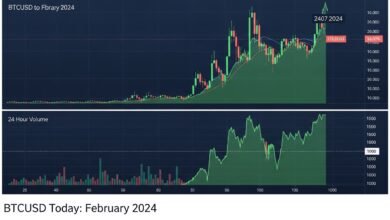
$9B Exits Bitcoin and Ether ETFs in Four Months
Over $9 billion flees bitcoin and ether ETFs in four months. Explore causes, market impact, and what it means for crypto investors.


Cryptocurrency market has experienced dramatic shifts over the past year, but few developments have captured investor attention like the news that over $9 billion flees bitcoin and ether ETFs in four months. This significant outflow has sparked debates across Wall Street and the broader digital asset community. Investors who once celebrated the launch of spot Bitcoin and Ether exchange-traded funds (ETFs) are now reassessing their positions amid heightened volatility, macroeconomic pressures, and evolving regulatory landscapes.
The rapid withdrawal of billions from Bitcoin ETFs and Ether ETFs signals more than just a short-term market reaction. It reflects deeper concerns about risk appetite, liquidity conditions, and the sustainability of the recent crypto rally. While ETFs were introduced to bridge the gap between traditional finance and digital assets, the recent capital flight raises critical questions about investor confidence and long-term institutional commitment to cryptocurrencies.
In this comprehensive analysis, we explore why over $9 billion flees bitcoin and ether ETFs in four months, examine the underlying drivers behind these outflows, and assess what this trend means for the future of crypto investments. From macroeconomic headwinds to profit-taking strategies, every factor plays a crucial role in understanding this market shift.
Bitcoin and Ether ETFs
What Are Bitcoin and Ether ETFs?
Before analyzing why over $9 billion flees bitcoin and ether ETFs in four months, it is essential to understand what these financial instruments represent. A Bitcoin ETF and an Ether ETF are exchange-traded funds designed to track the price of Bitcoin (BTC) and Ethereum (ETH), respectively. They allow investors to gain exposure to cryptocurrencies without directly owning the underlying assets.
Unlike buying crypto on exchanges or storing assets in digital wallets, ETFs trade on traditional stock markets. This structure provides institutional investors, retirement funds, and conservative retail participants with easier access to digital assets. The introduction of spot ETFs was widely viewed as a milestone for mainstream crypto adoption.
Why ETFs Became Popular

The launch of spot crypto ETFs generated massive inflows initially. Investors were attracted to the regulatory clarity, custodial protections, and convenience offered by ETFs. For many, ETFs eliminated technical barriers and security concerns associated with direct crypto ownership. Institutional capital poured into these funds, pushing Bitcoin and Ethereum prices higher. However, as market conditions changed, enthusiasm cooled. The same accessibility that drove record inflows also made it easier for investors to exit positions quickly, contributing to the fact that over $9 billion flees bitcoin and ether ETFs in four months.
Why Over $9 Billion Flees Bitcoin and Ether ETFs in Four Months
Macroeconomic Uncertainty
One of the primary reasons why over $9 billion flees bitcoin and ether ETFs in four months is global macroeconomic uncertainty. Rising interest rates, persistent inflation concerns, and tightening monetary policies have shifted investor sentiment away from risk assets.
Cryptocurrencies are often viewed as high-risk investments. When central banks maintain higher interest rates, safer assets such as government bonds become more attractive. This shift reduces capital flowing into speculative markets like digital assets. As liquidity tightens, institutional investors reallocate funds toward more stable investments. The result is significant outflows from Bitcoin ETFs and Ethereum investment products.
Profit-Taking After Strong Rallies
Another critical factor behind why over $9 billion flees bitcoin and ether ETFs in four months is profit-taking. Following strong price rallies, many investors locked in gains. When Bitcoin and Ethereum surged after ETF approvals, early investors saw substantial returns. Large-scale institutions and hedge funds often follow disciplined strategies, selling portions of their holdings after reaching target profit levels. This wave of profit realization contributed significantly to ETF redemptions. The outflows do not necessarily indicate a lack of belief in crypto’s long-term potential but rather reflect tactical portfolio management decisions.
Market Volatility and Risk-Off Sentiment
The crypto market remains highly volatile. Sharp price corrections can trigger panic selling and automated stop-loss orders. As volatility increases, investors become cautious. The fact that over $9 billion flees bitcoin and ether ETFs in four months also reflects a broader risk-off sentiment in financial markets. When geopolitical tensions rise or stock markets fluctuate, investors reduce exposure to volatile assets. Since ETFs offer liquidity and easy tradability, they often experience faster capital withdrawals compared to directly held crypto assets.
The Impact on Bitcoin and Ethereum Prices
Short-Term Price Pressure
When over $9 billion flees bitcoin and ether ETFs in four months, it inevitably creates selling pressure. ETF outflows require fund managers to redeem shares and, in many cases, sell underlying assets to meet redemptions. This selling activity can temporarily suppress Bitcoin and Ethereum prices. While not the sole determinant of price movement, ETF flows have become a key indicator for market analysts. Short-term corrections often follow periods of significant outflows. Traders closely monitor ETF data to anticipate potential price swings.
Long-Term Structural Effects
Despite short-term volatility, the long-term outlook remains more nuanced. Even though over $9 billion flees bitcoin and ether ETFs in four months, overall adoption of crypto investment products continues to expand globally. Institutional frameworks, custodial solutions, and regulatory clarity remain stronger than in previous market cycles. Outflows may represent cyclical corrections rather than structural failures.
Institutional Behavior and Market Psychology
Shifting Institutional Strategies
Institutional investors operate differently from retail traders. They adjust allocations based on macroeconomic models, risk assessments, and portfolio balancing strategies. The fact that over $9 billion flees bitcoin and ether ETFs in four months may signal a temporary rotation of capital rather than abandonment. Institutions often reduce exposure during uncertain periods and re-enter when conditions stabilize. This cyclical behavior is common in traditional markets and increasingly evident in digital asset markets.
Investor Sentiment and Fear Cycles
Crypto markets are heavily influenced by sentiment. News headlines about massive outflows can amplify fear and accelerate redemptions. When investors see that over $9 billion flees bitcoin and ether ETFs in four months, some interpret it as a bearish signal. This perception can create a self-reinforcing cycle of withdrawals and price declines. Understanding market psychology is crucial in evaluating whether such outflows represent long-term weakness or short-term emotional reactions.
Regulatory Developments and Policy Influence
Ongoing Regulatory Scrutiny
Regulatory developments also contribute to ETF outflows. Governments worldwide continue refining crypto regulations, tax policies, and compliance requirements. Uncertainty around regulatory frameworks can prompt cautious investors to reduce exposure. The headline that over $9 billion flees bitcoin and ether ETFs in four months may partially reflect concerns about future legal changes.
Global Differences in Crypto Regulation
Different jurisdictions treat cryptocurrencies differently. While some countries embrace digital assets, others impose restrictions. Institutional investors with global operations must account for regulatory risks. Changes in compliance standards can directly impact capital allocation decisions.
Liquidity, Trading Volumes, and ETF Mechanics
How ETF Redemptions Work
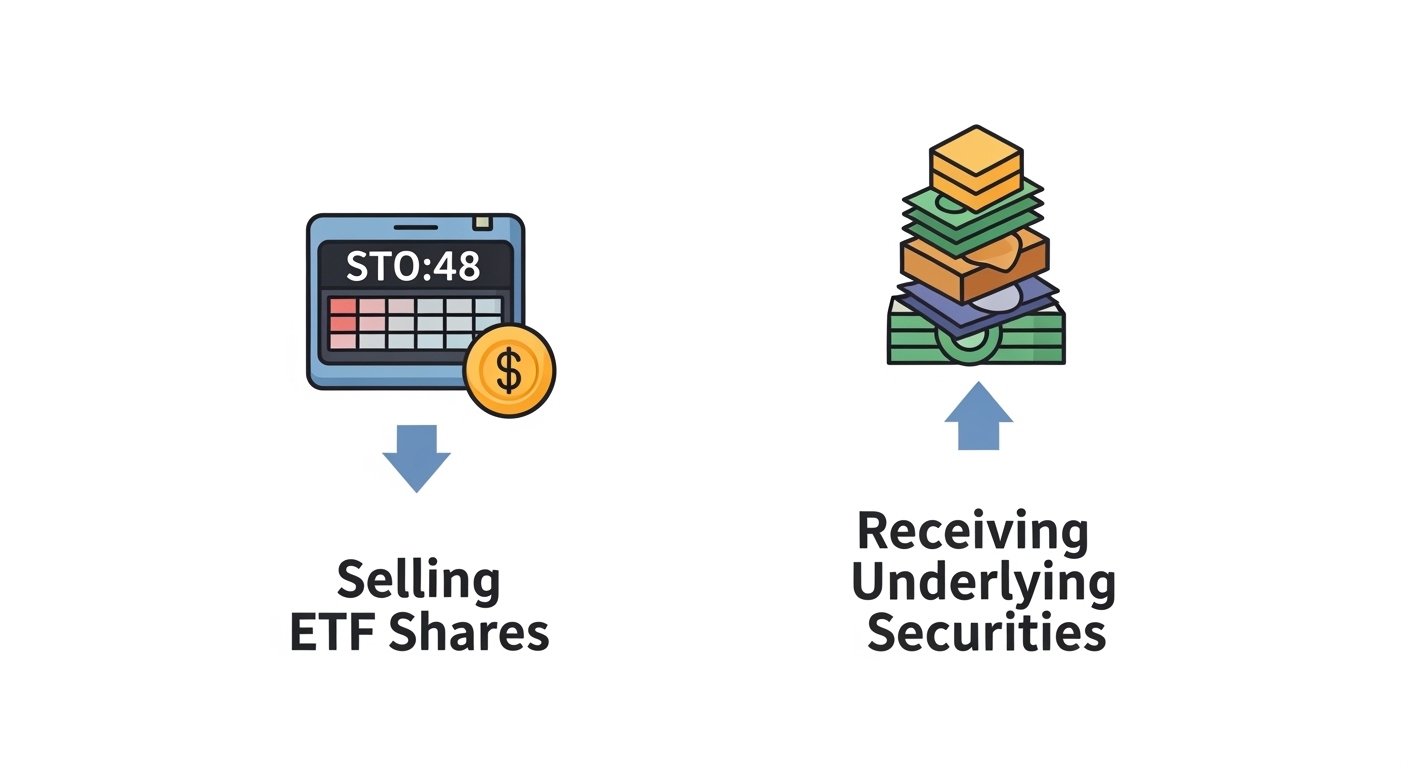
When investors sell ETF shares, fund managers may redeem those shares and sell underlying assets. This mechanism directly links ETF outflows to crypto market liquidity. As over $9 billion flees bitcoin and ether ETFs in four months, trading volumes may fluctuate significantly. Liquidity conditions can tighten during heavy redemption periods.
Market Liquidity Challenges
Crypto markets, while increasingly mature, still face liquidity constraints compared to traditional equity markets. Large redemptions can amplify price swings, especially during periods of thin trading. However, increased participation from market makers and institutional players has improved resilience over time.
Comparing This Outflow to Past Crypto Cycles
Historical Context of Crypto Corrections
The cryptocurrency market has experienced multiple boom-and-bust cycles. Compared to past bear markets, the current outflow may be relatively modest. While over $9 billion flees bitcoin and ether ETFs in four months, previous downturns saw trillions wiped from overall crypto market capitalization. This perspective suggests that ETF outflows are part of a broader cyclical pattern rather than an unprecedented crisis.
Lessons from Previous Market Downturns
History shows that periods of heavy outflows often precede consolidation phases. Strong projects with solid fundamentals tend to recover over time. Bitcoin and Ethereum have both survived severe corrections in the past, emerging stronger due to technological improvements and expanded adoption.
What This Means for Retail Investors
Evaluating Risk Tolerance
Retail investors should assess personal risk tolerance when reading that over $9 billion flees bitcoin and ether ETFs in four months. Market fluctuations are inherent in crypto investing. Long-term investors may view dips as buying opportunities, while short-term traders may adjust strategies accordingly.
Diversification and Portfolio Strategy
Diversification remains critical. Rather than concentrating investments solely in crypto ETFs, investors often balance portfolios with equities, bonds, and alternative assets. Strategic allocation can reduce exposure to sudden outflows and volatility.
The Future of Bitcoin and Ether ETFs
Potential for Recovery
Although over $9 billion flees bitcoin and ether ETFs in four months, recovery remains possible. Improved macroeconomic conditions, easing interest rates, or renewed bullish sentiment could reverse outflows. Institutional demand often returns when risk appetite increases.
Long-Term Adoption Trends
The broader trend of digital asset integration into traditional finance continues. Major asset managers, custodians, and financial institutions remain committed to crypto-related products. As blockchain technology advances and regulatory clarity improves, Bitcoin and Ether ETFs may regain momentum.
Conclusion
The headline that over $9 billion flees bitcoin and ether ETFs in four months highlights a significant shift in investor behavior. Driven by macroeconomic uncertainty, profit-taking, market volatility, and regulatory considerations, these outflows reflect a complex interplay of financial forces. While short-term price pressure and cautious sentiment dominate current discussions, the long-term trajectory of Bitcoin ETFs, Ether ETFs, and the broader crypto market remains dynamic. Institutional participation, technological innovation, and global adoption continue shaping the landscape.
Rather than signaling the end of crypto’s growth story, this period of outflows may represent a natural correction within an evolving asset class. Investors who understand market cycles, risk management, and diversification strategies will be better positioned to navigate future volatility.
FAQs
Q: Why did over $9 billion flee bitcoin and ether ETFs in four months?
The outflows were driven by macroeconomic uncertainty, rising interest rates, profit-taking after rallies, market volatility, and shifting institutional strategies.
Q: Do ETF outflows directly affect Bitcoin and Ethereum prices?
Yes, significant ETF redemptions can create selling pressure on underlying assets, influencing short-term price movements.
Q: Are Bitcoin and Ether ETFs still safe investments?
ETFs offer regulated exposure to cryptocurrencies, but they remain subject to market volatility and macroeconomic risks.
Q: Is this outflow a sign of a crypto bear market?
Not necessarily. Crypto markets experience cyclical corrections, and ETF outflows may reflect temporary sentiment shifts rather than long-term decline.
Q: Could institutional investors return to crypto ETFs?
Yes, improved economic conditions and renewed risk appetite could encourage institutions to re-enter Bitcoin and Ether ETFs in the future.
See More: Altcoin Daily News 7 Next 1000x Cryptos