Best Crypto Wallets 2026 Secure DeFi Picks
best crypto wallets 2026 for Bitcoin and altcoins—hardware and hot wallets ranked for security, self-custody, and DeFi access.

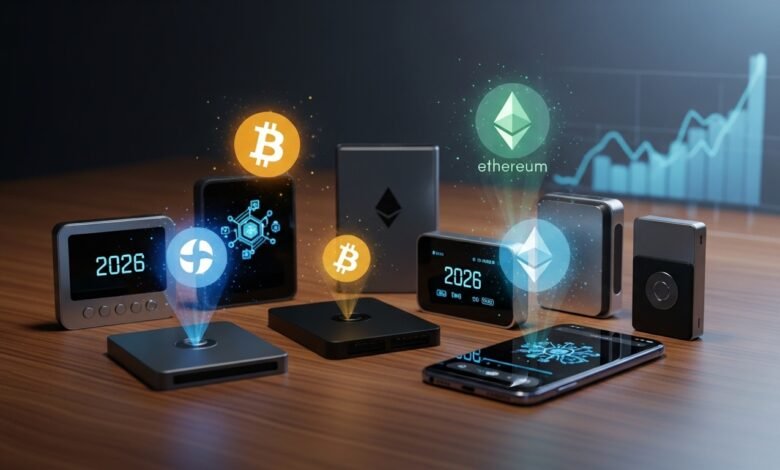
Crypto adoption in 2026 looks very different from just a few years ago. Millions of users now hold Bitcoin, Ethereum, stablecoins, and a wide range of altcoins across multiple blockchains. At the same time, DeFi access, NFT platforms, staking protocols, and cross-chain bridges have become mainstream tools rather than niche experiments. In this evolving landscape, choosing the best crypto wallets 2026 is no longer just about storing coins — it’s about combining strong security, seamless multi-chain functionality, and smooth access to decentralized applications.
The reality is simple: if you don’t control your private keys, you don’t truly control your crypto. That’s why self-custody wallets, hardware wallets, and secure DeFi wallets have become essential. However, not all crypto wallets are built the same. Some focus on maximum offline protection, others prioritize speed and convenience, and a few aim to blend both into one ecosystem.
This comprehensive guide explores the best crypto wallets 2026 for Bitcoin and altcoins, comparing hardware and software solutions, explaining how to balance security with usability, and helping you build a wallet strategy that protects your assets while keeping DeFi access flexible. Whether you are a long-term investor, active trader, or yield farmer, understanding how modern crypto wallets work will help you reduce risk and increase control.
What Makes the Best Crypto Wallets 2026?
When searching for the best crypto wallets 2026, most users want one perfect answer. In reality, the best wallet depends on how you use crypto. A long-term Bitcoin holder has very different needs from someone interacting daily with decentralized exchanges and lending protocols. In 2026, the top crypto wallets share several core characteristics. They prioritize private key security, offer transparent transaction verification, support multiple blockchains, and provide safe interaction with smart contracts.
Many also include advanced features such as transaction simulation, phishing detection, and hardware integration. The most important factor remains security. The strongest crypto wallets are designed to reduce human error — because in most cases, funds are lost not due to broken encryption, but due to phishing attacks, malicious smart contracts, or careless seed phrase handling.
Understanding the 2026 Threat Landscape
Crypto security threats have evolved. Hackers rarely attack blockchain protocols directly. Instead, they target users through fake websites, wallet-draining smart contracts, social engineering, and malware. That is why modern crypto wallets must help users verify exactly what they are signing. Features like clear transaction signing, contract warnings, and permission visibility are now standard in many of the best crypto wallets 2026. Wallets that simplify complex contract interactions into understandable summaries significantly reduce the risk of costly mistakes.
Hot Wallets vs Cold Wallets vs Smart Wallets
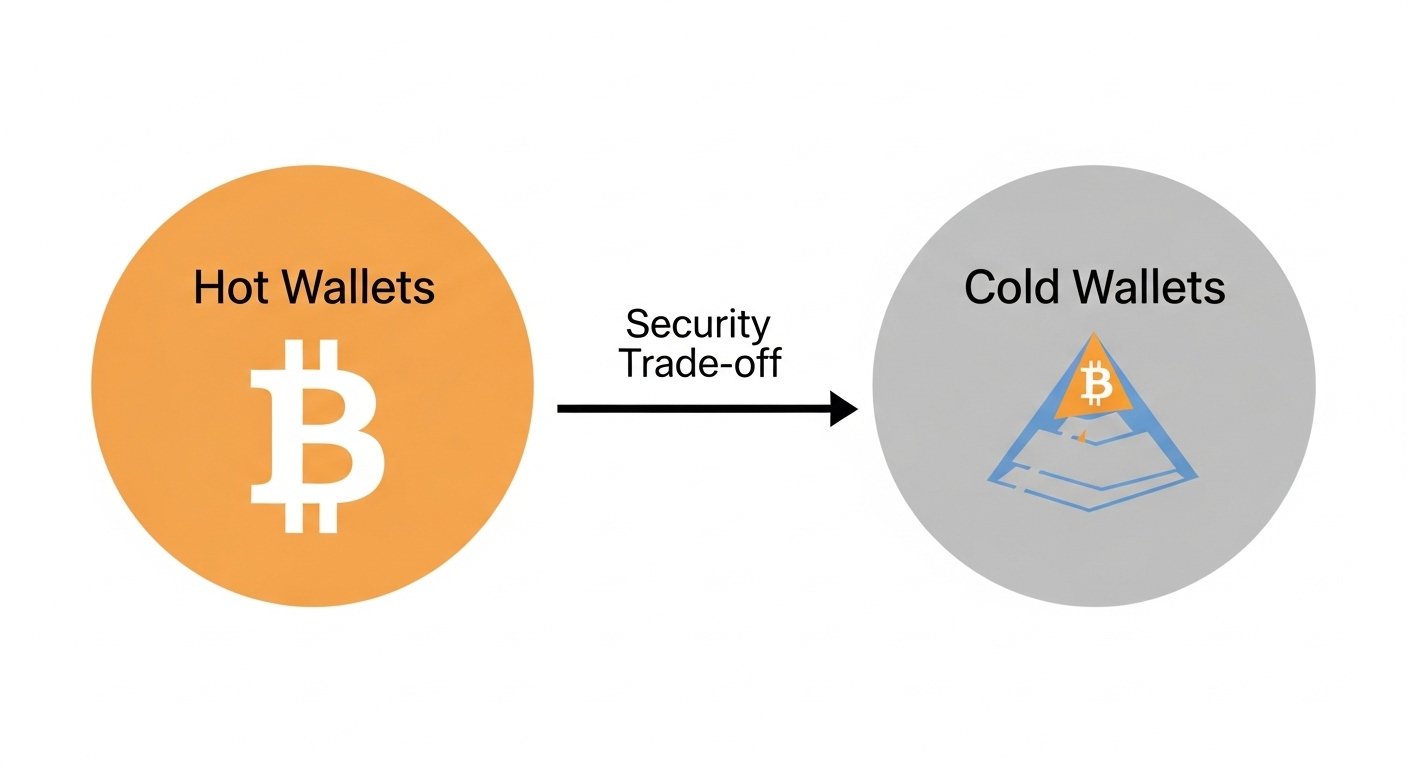
Crypto wallets fall into three main categories: Hot wallets are internet-connected wallets, typically mobile apps or browser extensions. They offer convenience and quick access to DeFi but carry more exposure to online threats. Cold wallets, commonly known as hardware wallets, store private keys offline. These are widely considered the safest option for long-term holdings. Smart wallets or multisig wallets operate via smart contracts and allow multiple approvals before funds are moved. They are ideal for teams, DAOs, or users seeking advanced protection structures. The best crypto wallets 2026 strategy often involves combining more than one type rather than relying on a single solution.
Best Crypto Wallets 2026 for Maximum Security
Security-focused users prioritize hardware solutions that keep private keys offline at all times. In 2026, hardware crypto wallets have significantly improved their usability without sacrificing protection.
Ledger Hardware Wallets
Ledger devices remain among the most recognized hardware crypto wallets globally. Their latest models focus heavily on clear signing, ensuring that users can see and verify transaction details directly on the device screen before approval. Modern Ledger hardware wallets are designed with secure elements that isolate private keys and prevent extraction, even if a connected computer is compromised.
For users holding significant Bitcoin or diversified altcoin portfolios, this type of cold storage remains a top-tier choice. The key advantage of Ledger hardware wallets in 2026 is their seamless integration with DeFi applications. Users can connect them to browser-based wallets while keeping private keys offline, creating a balance between accessibility and protection.
Trezor Safe Series
Trezor continues to be a strong competitor in the hardware wallet market. The Safe series integrates advanced chip protection while maintaining an open security philosophy. Trezor devices are particularly appreciated by users who value transparency and a straightforward recovery process. These crypto wallets are ideal for long-term Bitcoin investors and altcoin holders who want full control of their keys without depending on centralized custodians. With improved display clarity and enhanced firmware security, Trezor remains a strong contender among the best crypto wallets 2026.
Keystone Air-Gapped Wallets
Keystone offers a different approach through air-gapped hardware wallets. These devices avoid direct wired or wireless connections and instead use QR codes for signing transactions. Air-gapped crypto wallets minimize exposure to malware on computers or smartphones. For high-net-worth individuals or security maximalists, this extra isolation layer makes Keystone one of the safest crypto wallet options available in 2026.
Best Crypto Wallets 2026 for DeFi and Multi-Chain Access
Security is essential, but so is usability. DeFi users require wallets that can interact smoothly with decentralized exchanges, lending protocols, staking platforms, and NFT marketplaces.
MetaMask
MetaMask remains one of the most widely used DeFi wallets. It supports Ethereum and multiple compatible blockchains, allowing users to manage tokens and interact with decentralized applications easily. In 2026, MetaMask has improved its multi-chain capabilities, making cross-network usage smoother. It also includes enhanced security prompts to help users identify suspicious smart contracts. For active traders and DeFi enthusiasts, MetaMask remains one of the best crypto wallets 2026, especially when paired with a hardware wallet for transaction signing.
Rabby Wallet
Rabby Wallet has gained popularity among advanced DeFi users because of its transaction simulation and risk detection features. Before signing, Rabby analyzes smart contract interactions and displays potential risks. This proactive security layer makes Rabby one of the most protective browser-based crypto wallets for DeFi participants in 2026. It is particularly useful for users who frequently interact with new or experimental protocols.
Phantom Wallet
Originally focused on Solana, Phantom has expanded to support multiple blockchains. Its clean interface and smooth performance make it a favorite among NFT collectors and altcoin traders. Phantom balances simplicity and multi-chain functionality, making it one of the best crypto wallets 2026 for users active in the Solana ecosystem while also holding Ethereum-based assets.
Best Crypto Wallets 2026 for Beginners
New crypto users need clarity, simplicity, and built-in safety features.
Coinbase Wallet
Coinbase Wallet offers a user-friendly introduction to self-custody. Unlike exchange accounts, it gives users full control over their private keys while maintaining a familiar interface. Its built-in features for token swaps and decentralized application access make it convenient for beginners exploring DeFi. While not as security-focused as hardware crypto wallets, it provides a balanced entry point into the self-custody ecosystem.
Trust Wallet
Trust Wallet supports a wide range of blockchains, allowing users to manage Bitcoin, Ethereum, and numerous altcoins in one place. Its multi-chain support and straightforward mobile design make it one of the most accessible crypto wallets in 2026. However, as with all hot wallets, users should avoid storing large long-term holdings without hardware backup.
Multisig and Smart Wallets for Advanced Protection
For users managing shared funds or seeking extra layers of security, multisig wallets provide powerful protection.
Safe (Multisig Wallet)
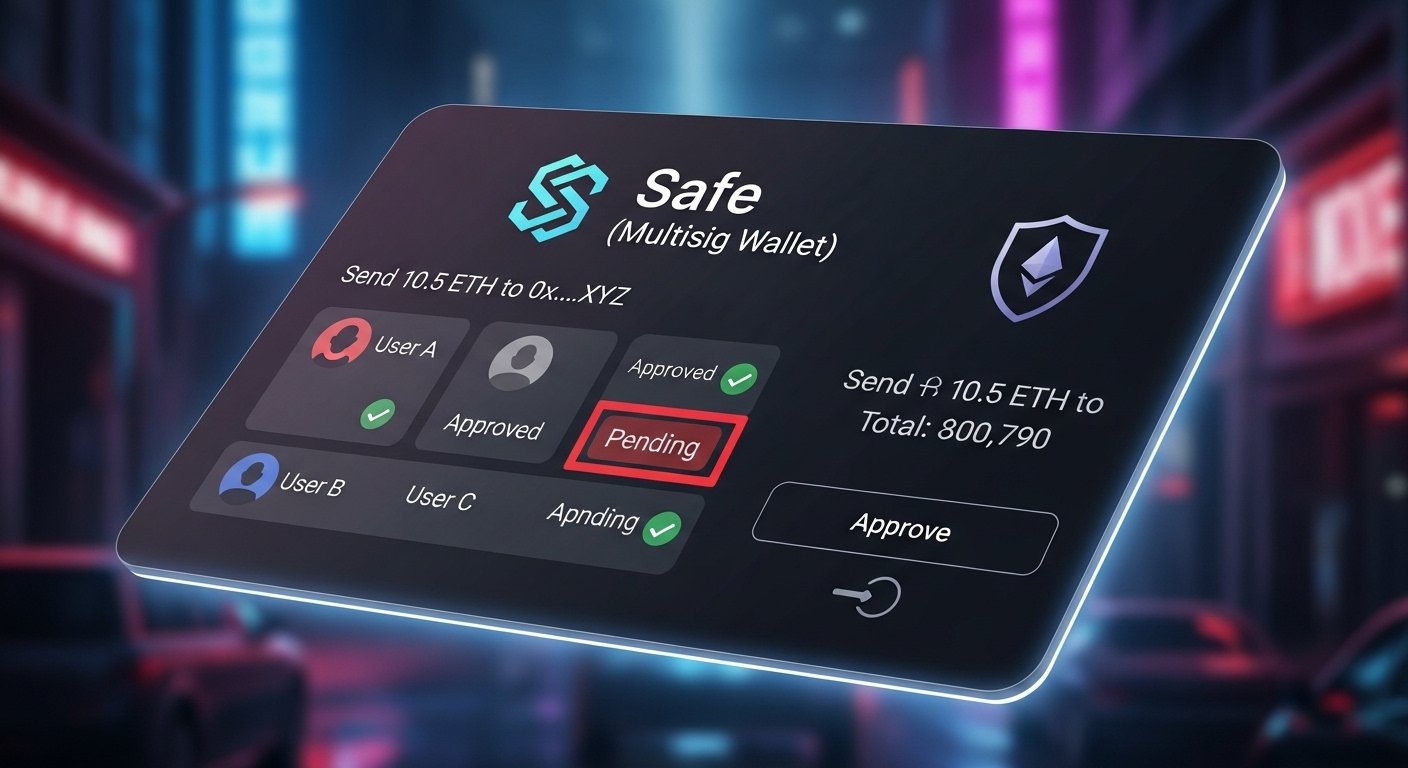
Safe allows multiple private keys to approve transactions before funds are moved. This reduces the risk of a single compromised device draining the entire wallet. Multisig crypto wallets are particularly valuable for business treasuries, investment groups, and DAOs. In 2026, they are increasingly being used by individuals who want institutional-grade protection for large portfolios. Combining a multisig wallet with hardware signers represents one of the most secure wallet setups available.
Security Best Practices for Crypto Wallets
Even the best crypto wallets 2026 cannot protect users from poor security habits. Always store your recovery phrase offline. Never share it digitally. Avoid clicking unknown links. Revoke unused token approvals regularly. Consider separating wallets by purpose: one for long-term Bitcoin storage, one for altcoin investments, and another strictly for experimental DeFi interactions. Remember that hardware wallets significantly reduce risk, but they are most effective when combined with cautious behavior.
The Ideal Wallet Setup in 2026
For most users, the optimal approach combines: A hardware wallet for savings A browser or mobile wallet for DeFi Optional multisig protection for high-value holdings This layered strategy reflects how the best crypto wallets 2026 are designed — not as standalone products, but as components of a broader security system.
Conclusion
The best crypto wallets 2026 are defined by their ability to balance security, self-custody, and DeFi access. Hardware wallets like Ledger, Trezor, and Keystone lead in cold storage protection. MetaMask, Rabby, and Phantom dominate in decentralized finance usability. Coinbase Wallet and Trust Wallet offer accessible entry points for beginners. Ultimately, no single wallet is perfect for every use case. The smartest approach is layered protection: keep long-term assets in cold storage, use hot wallets for daily activity, and consider multisig for large holdings. Crypto gives you control — but with that control comes responsibility. Choosing the right crypto wallets in 2026 is the first and most important step toward protecting your digital wealth.
FAQs
Q: What are the safest crypto wallets in 2026?
Hardware wallets are generally considered the safest because they store private keys offline. Air-gapped and multisig setups provide even stronger protection.
Q: Are hot wallets safe for DeFi?
Yes, but they carry higher risk. Pairing a hot wallet with a hardware signer significantly improves security.
Q: Should I use multiple crypto wallets?
Yes. Separating long-term storage from daily transactions reduces risk and limits potential losses.
Q: What is a multisig wallet?
A multisig wallet requires multiple approvals before funds are moved, adding an extra layer of security.
Q: Can beginners safely use self-custody wallets?
Yes, as long as they securely store their recovery phrase offline and avoid phishing scams.