Bitcoin treasury Metaplanet $665M loss after dip
Bitcoin treasury can look like a masterstroke when prices surge and a crisis headline when the market turns. That’s why the news that


Bitcoin treasury can look like a masterstroke when prices surge and a crisis headline when the market turns. That’s why the news that Bitcoin treasury Metaplanet faces a $665 million loss after a sharp crypto market dip has grabbed attention far beyond crypto circles. For some readers, that number signals a disastrous bet. For others, it’s a predictable accounting consequence of holding a volatile asset through a downturn. The truth sits in the details, and those details matter because they reveal how modern companies are reshaping balance sheets around digital assets.
Metaplanet’s strategy has made it a symbol of a growing trend: publicly traded firms adopting Bitcoin as a core reserve asset rather than treating it as a side investment. That approach can change everything—earnings optics, investor expectations, financing capacity, and even the way a company is valued. When a company becomes a Bitcoin-heavy treasury vehicle, its stock can behave less like a traditional business and more like a market-sensitive proxy for Bitcoin itself. That can create explosive upside in rallies, but it also creates painful drawdowns and headline-grabbing losses during corrections.
To understand why Bitcoin treasury Metaplanet faces a $665 million loss following a crypto market dip, you need to separate reported losses from realized losses, and you need to see how accounting treatment, treasury structure, and market psychology collide. This article breaks down what the loss likely represents, what it signals about the sustainability of a Bitcoin treasury strategy, and what investors should watch next. Along the way, we’ll use related phrases and Bold LSI terms—like corporate Bitcoin holdings, balance sheet risk, non-cash impairment, digital asset accounting, BTC reserves, and market volatility—to keep the discussion grounded in the realities that shape outcomes.
$665 million loss: What it really means
The first thing to know is that a “loss” attached to a Bitcoin treasury often isn’t the same as money leaving the company’s bank account. In many cases, the figure reflects a valuation adjustment, impairment recognition, or mark-to-market movement tied to Bitcoin’s price at a reporting date. That accounting result can be dramatic precisely because Bitcoin can move dramatically.
For Bitcoin treasury Metaplanet, a large reported loss following a crypto market dip suggests that Bitcoin’s market price fell meaningfully below the company’s average carrying value at the time the financials were prepared. When that happens, accounting standards may require recognizing an impairment-like charge or remeasurement loss, depending on jurisdiction and reporting conventions. The key point is that this can be non-cash: the company may still hold the same amount of Bitcoin, but it must report a lower value on the books.
This distinction matters because it changes how you interpret the headline. A cash loss implies forced selling, margin calls, or an operational shortfall. A non-cash loss implies the company is still holding the asset but must acknowledge that its market value has temporarily declined. For a Bitcoin treasury strategy, that’s not an abnormal event. It’s the central trade-off: a company accepts high volatility in exchange for exposure to potential long-term appreciation and narrative-driven investor interest.
That doesn’t mean the loss is “fake” or irrelevant. Even if it’s non-cash, it can influence investor confidence, debt covenants, and the company’s ability to raise capital on favorable terms. In short, accounting losses may not drain cash immediately, but they can tighten the financial room a company has to maneuver.
Why a crypto market dip hits Bitcoin treasury companies harder
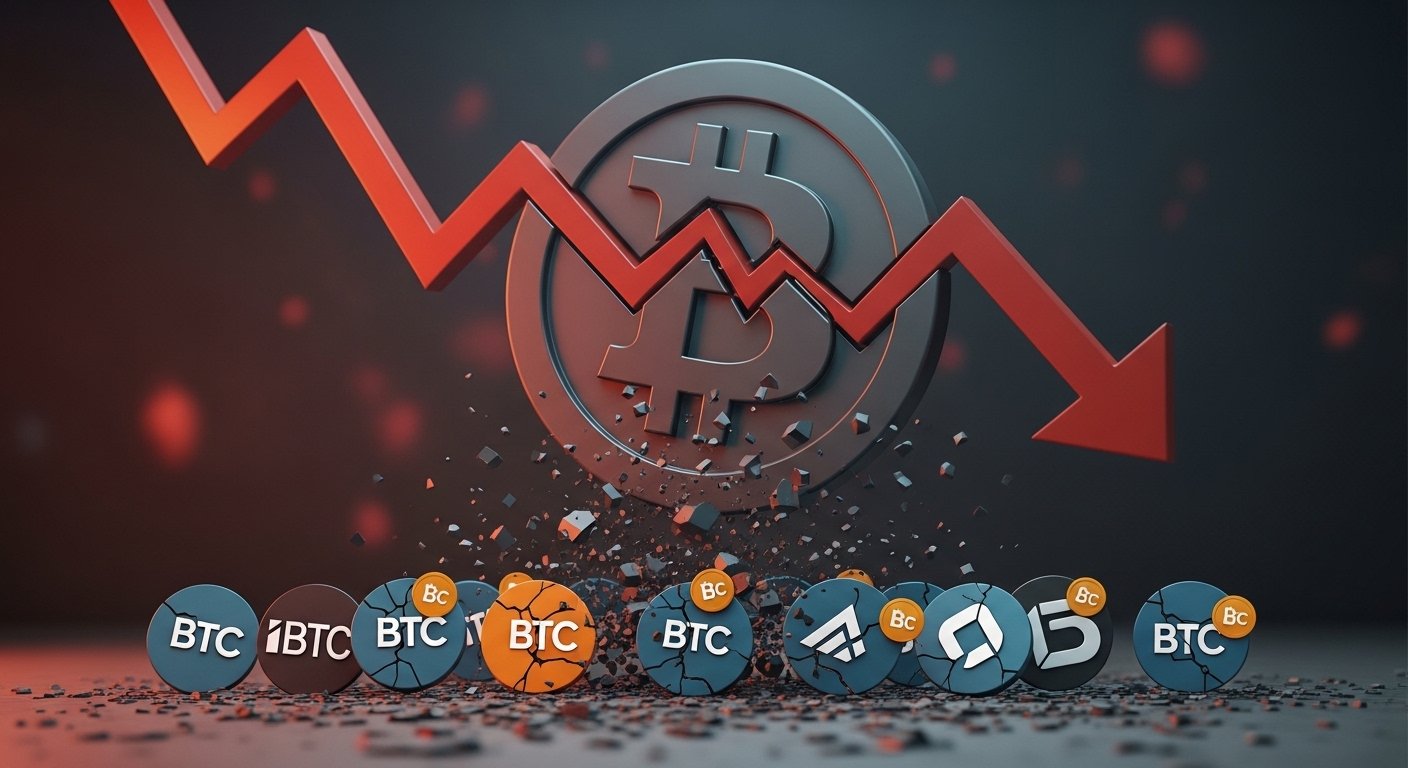
A traditional company typically earns revenue through operations—selling products, delivering services, or licensing software. A Bitcoin treasury company also holds a major asset whose value can swing wildly, sometimes far more than the operating business changes in a year. That makes the company’s financial statements highly sensitive to market cycles.
The balance-sheet amplification effect
When Bitcoin treasury Metaplanet holds a large amount of Bitcoin, even small percentage moves translate into huge dollar swings. This is the balance-sheet amplification effect. If Bitcoin declines by 10% and a company holds billions in BTC reserves, the reported impact can dwarf the company’s operating profit or loss. That can distort how the market “reads” performance.
The result is an unusual situation: management can execute well operationally, but a market dip can still dominate the narrative. Investors who care about the operating business might feel frustrated. Traders who treat the stock as a Bitcoin proxy might not care. Both groups matter, and the tension between them often defines how Bitcoin treasury stocks behave during downturns.
The sentiment proxy effect
Bitcoin treasury firms often become sentiment instruments. When the market is optimistic, investors may pay a premium for exposure through a public equity wrapper. When fear rises, the same investors may flee, leading to exaggerated downside. That’s why a crypto market dip can create a double hit: Bitcoin falls, and the stock may fall even more due to premium compression, risk-off sentiment, or concerns about financing.
This is especially relevant for Bitcoin treasury Metaplanet because the company’s identity is closely tied to its Bitcoin narrative. In the public imagination, it’s not “a company that owns some Bitcoin.” It’s “a Bitcoin treasury company.” That branding can be powerful, but it also concentrates risk.
How digital asset accounting shapes the headline
One of the most confusing aspects of Bitcoin treasury reporting is how accounting rules can make performance look worse (or sometimes better) than the economic reality.
Non-cash impairment and remeasurement
Depending on reporting standards, companies may have to recognize a non-cash impairment when an asset’s market value drops below its carrying value at a reporting date. In some frameworks, gains are not recognized until realized through a sale, but losses must be recognized when indicated. In other frameworks, remeasurement can reflect market prices more directly. Either way, the outcome during a dip is similar: reported losses can spike, even if the company never sells.
This is one reason headlines can sound catastrophic. Readers see a $665 million loss and assume the company lost $665 million in cash. In many Bitcoin treasury cases, the economic reality is closer to: “the market value of our Bitcoin declined, so our reported value and earnings reflect that decline.” That’s still a real economic change, but it’s not the same as a cash deficit.
Earnings volatility becomes structural
If Bitcoin treasury Metaplanet continues to hold large BTC reserves, earnings volatility isn’t a temporary issue. It’s structural. Every major price move can flow into reported results, creating quarterly drama. That’s not inherently bad, but it means investors must evaluate the stock with a different lens than they would use for a stable consumer brand or a utility company.
Why companies adopt a Bitcoin treasury strategy anyway
If the volatility is so intense, why do it? The answer usually combines macro beliefs, strategic positioning, and capital market incentives.
Hedge narrative and currency concerns
Some companies frame Bitcoin as a hedge against currency debasement, long-term inflation risk, or weakening fiat purchasing power. For a firm operating in a currency environment where real yields are low or where the domestic currency faces structural pressure, Bitcoin can be presented as a long-term store-of-value alternative. Whether you agree or not, that narrative has a clear appeal for shareholders who share the macro view.
Access and differentiation
A public company with a Bitcoin treasury can offer investors exposure through a regulated equity instrument. Some investors may prefer buying shares rather than managing self-custody, wallets, or exchange accounts. Others may face constraints that make direct Bitcoin ownership inconvenient. That creates an “access premium” dynamic: the company’s stock can trade like a bridge between traditional markets and crypto.
For Bitcoin treasury Metaplanet, this “Bitcoin proxy” framing is especially important. It helps explain why the company can attract attention and capital even when its operating business would otherwise be a smaller story. It also explains why downturns become so headline-heavy: if your identity is “Bitcoin treasury,” your risk is “Bitcoin volatility.”
Treasury flywheel logic
Some Bitcoin treasury companies aim to create a flywheel: raise capital, buy Bitcoin, benefit from appreciation, raise capital at a higher valuation, buy more Bitcoin, and repeat. In bull markets, this can look brilliant. In bear markets, it can stall or even reverse if the company must raise funds at depressed prices, diluting shareholders more aggressively. This flywheel logic is not guaranteed. It depends on market timing, investor demand, and financing discipline. A crypto market dip tests the flywheel’s durability.
What this loss suggests about Metaplanet’s risk profile
A reported $665 million loss implies one thing clearly: Bitcoin treasury Metaplanet has meaningful exposure. That exposure can be the point of the strategy, but it also defines the risk profile shareholders are accepting.
Concentration risk in BTC reserves
The more concentrated a company’s balance sheet is in Bitcoin, the more the company becomes a Bitcoin exposure vehicle. That can reduce the relevance of traditional valuation metrics like price-to-earnings based on operating profit. Investors start thinking in terms of net asset value, BTC per share, and dilution-adjusted Bitcoin exposure.
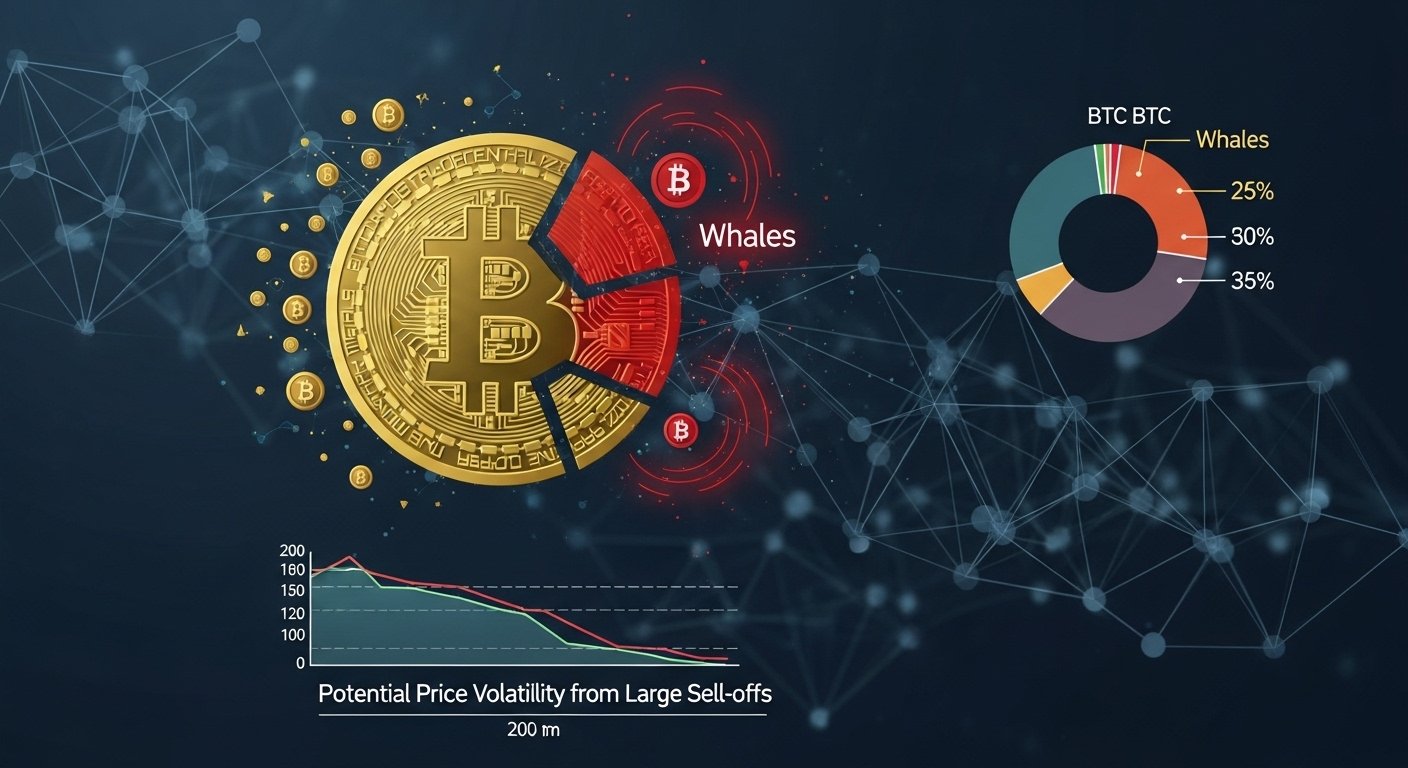
This can create a new kind of shareholder alignment. Some investors want exactly that: maximum Bitcoin sensitivity. Others may be surprised by how quickly operational achievements get drowned out by treasury swings. Either way, the concentration increases the importance of treasury governance—custody, risk management, and liquidity planning.
Liquidity and forced-selling risk
The crucial question during a dip is whether the company can hold through volatility without being forced to sell. Forced selling can happen if the company uses leverage, faces debt maturities, or must fund operations when other capital sources dry up. If the company has strong liquidity planning and does not rely on short-term leverage, it may be able to treat the dip as temporary. For shareholders analyzing Bitcoin treasury Metaplanet, the key is to look at whether the treasury is financed in a way that allows patience. A well-structured treasury can survive volatility; a fragile one can break at the worst time.
Dilution risk
When Bitcoin falls and a company wants to keep buying, it may raise equity at a lower share price. That can dilute existing shareholders. Even if BTC later rises, the per-share outcome depends on whether dilution outpaces Bitcoin accumulation. That’s why investors often track BTC per diluted share and other per-share metrics rather than total holdings alone. A $665 million reported loss doesn’t automatically mean dilution is coming, but it raises the stakes. If the company’s strategy requires ongoing capital, the market conditions during a dip can materially affect shareholder outcomes.
The role of operations: Why the underlying business still matters
A common critique of Bitcoin treasury companies is that their operating business becomes irrelevant. That’s not always true. Operations can provide cash flow, credibility, and optionality. If Bitcoin treasury Metaplanet maintains or improves operating performance during a dip, it gains resilience. Operational revenue can help cover overhead, reduce reliance on external financing, and provide a narrative that the firm is more than a treasury wrapper. In bearish conditions, this can be the difference between survival and distress.
However, investors should be realistic: when a treasury position is large enough, Bitcoin’s price can still dominate results. Operational strength becomes a stabilizer rather than the main driver of quarterly headlines. The market may still trade the stock primarily as a Bitcoin sensitivity instrument, but strong operations can reduce the probability of forced selling or emergency dilution.
How the market may react: What investors typically do next
A major reported loss often triggers predictable reactions across different investor types.
Short-term traders focus on volatility
Some traders see Bitcoin treasury stocks as leveraged Bitcoin proxies. They may buy dips if they expect a quick BTC rebound, or sell aggressively if they think the downtrend continues. For them, the headline loss is less about accounting and more about trend confirmation.
Long-term believers focus on accumulation and time horizon
Long-term Bitcoin-aligned investors may view the dip as part of the cycle. Their primary question is whether Bitcoin treasury Metaplanet can keep holding and whether it can improve its Bitcoin-per-share exposure over time. They may treat drawdowns as opportunities if the company’s treasury structure remains healthy.
Traditional investors focus on governance and risk controls
More conventional investors, especially those accustomed to stable cash flows, will scrutinize risk management. They want clarity on custody, internal controls, financing plans, and how management decides when to buy or hold. A giant reported loss can trigger demands for stronger disclosure and a clearer explanation of how the treasury strategy aligns with shareholder interests.
Scenarios after the crypto market dip: What could happen next
No one can predict Bitcoin’s short-term path with certainty, but you can map plausible scenarios and how each affects Bitcoin treasury Metaplanet.
Scenario one: Bitcoin recovers and the loss becomes a temporary drawdown
If Bitcoin rebounds meaningfully, the economic value of the treasury rises again. Even if accounting recognition is lagged or imperfect, investor sentiment can improve quickly. In this scenario, the company may regain fundraising momentum, reduce perceived risk, and potentially expand the treasury. The key risk in a recovery scenario is overconfidence. If management interprets every dip as a guaranteed buying opportunity, it might take on too much financing risk. Sustainable success usually requires discipline, not just conviction.
Scenario two: Bitcoin stays range-bound and the company must prove operational strength
If Bitcoin trades sideways for an extended period, treasury excitement fades and investors shift attention to operations. In this world, the company’s ability to generate revenue and manage costs becomes more important. The Bitcoin treasury still matters, but it stops being the sole engine of optimism. For Bitcoin treasury Metaplanet, this scenario rewards operational execution and transparency. It also tests whether the firm’s Bitcoin-related income strategies can produce consistent results without relying on price appreciation.
Scenario three: Bitcoin declines further and financing tightens
If Bitcoin continues falling and broader risk markets tighten, the pressure rises. The company may face a harsher equity market, higher financing costs, and more skeptical investors. This is where treasury structure is tested. If the company has avoided short-term leverage and maintained liquidity, it may endure. If not, the risk of dilution or forced selling increases. This scenario is why the $665 million headline matters even if it is non-cash. It signals the magnitude of exposure, and exposure dictates vulnerability when conditions worsen.
How to evaluate Bitcoin treasury Metaplanet without overreacting to headlines
If you want to assess a Bitcoin treasury company rationally, focus on a few core concepts rather than headline shock. First, separate reported loss from treasury health. A reported impairment during a dip is expected. What matters is whether the company can hold the asset without forced selling. Second, track per-share exposure, not just total holdings. If a company issues new shares to buy Bitcoin, the per-share outcome can differ dramatically from the headline “we bought more BTC.”
Third, examine financing maturity and flexibility. Longer-dated financing and conservative leverage profiles tend to survive cycles better than short-term structures. Fourth, evaluate disclosure quality. A Bitcoin treasury strategy demands exceptional clarity. Investors should understand how custody is handled, how purchases are authorized, how risks are monitored, and how management thinks about liquidity. Finally, consider your own risk tolerance. Bitcoin treasury stocks can be far more volatile than Bitcoin itself due to premium swings and equity market dynamics. That can be attractive for some investors and intolerable for others.
Conclusion
The news that Bitcoin treasury Metaplanet faces a $665 million loss following a crypto market dip is a vivid reminder of what a Bitcoin treasury strategy really is: a high-volatility balance-sheet posture that can reshape a company’s financial story overnight. In many cases, the loss is primarily an accounting reflection of Bitcoin’s price decline rather than an immediate cash drain, but it still matters because it influences perception, financing conditions, and shareholder confidence.
For Bitcoin treasury Metaplanet, the path forward depends on structure and execution. If the company can maintain liquidity, manage dilution, and communicate transparently, the dip may be survivable—possibly even an opportunity within a longer cycle. If financing tightens or volatility triggers forced decisions, the same treasury posture that attracted attention could amplify downside. Either way, this episode highlights a simple truth: a Bitcoin treasury can be a strategic asset, but it demands strategic discipline.
FAQs
Q: Is the $665 million loss a cash loss for Bitcoin treasury Metaplanet?
Not necessarily. In many Bitcoin treasury cases, large losses reported after a crypto market dip are largely non-cash impairment or valuation adjustments tied to Bitcoin’s market price at a reporting date. The company may still hold the same BTC reserves.
Q: Why do Bitcoin treasury companies report such large losses during downturns?
Because digital asset accounting and market volatility can cause big valuation movements to show up in earnings. When BTC declines, the reported value of corporate Bitcoin holdings can drop sharply, producing large headline losses.
Q: Does a reported loss mean Metaplanet sold its Bitcoin?
A reported loss does not automatically imply selling. It can reflect a market-price-based write-down while the company continues to hold its Bitcoin treasury. To know whether selling occurred, investors typically look for disclosures about changes in BTC reserves.
Q: What is the biggest risk for Bitcoin treasury Metaplanet after a market dip?
The biggest risks are usually liquidity pressure, financing constraints, and dilution risk. If capital becomes expensive or unavailable, the company may have to raise funds at unfavorable terms or reduce its ability to hold through volatility.
Q: How should investors think about Bitcoin treasury Metaplanet going forward?
Investors often focus on the company’s treasury structure, per-share Bitcoin exposure, financing maturity, and transparency. Because Bitcoin treasury stocks can be extremely volatile, aligning expectations with risk tolerance is essential.